English
  русский
  Español
  عربى
عربى 



What Defines A Fruity Fragrance?
The main characteristic of a Fruity Perfume is the use of fruit-inspired notes within the fragrance composition. These notes can appear at the beginning of a scent or remain noticeable as the fragrance develops.
Citrus ingredients often create a bright opening, while peach, pear, and apple can bring softer fruit impressions. Berry notes may add sweetness, and tropical fruit accords can introduce a warmer character.
Perfume creators can combine these elements with floral, woody, musky, or gourmand notes to create different scent directions.
Citrus Notes Create A Fresh Opening
Citrus fruits are frequently associated with refreshing fragrance profiles. Lemon, orange, grapefruit, mandarin, and bergamot can provide crisp and lively opening notes.
In Fruity Perfume development, citrus notes may be combined with floral ingredients such as jasmine, rose, or orange blossom. This creates a balanced transition from a bright opening into a more layered middle section.
Citrus can also be paired with green or aquatic-inspired accords, giving the fragrance a clean and energetic character suitable for daytime use.
Berry Notes Add Sweetness
Strawberry, raspberry, blackberry, and other berry-inspired notes can give fragrances a sweeter personality. These ingredients may create a playful impression when combined with floral or creamy accords.
A Fruity Perfume featuring berry notes can also use vanilla, musk, caramel, or soft woods to create additional depth.
The balance between sweet and fresh notes is important. Too much sweetness can dominate a composition, so fragrance creators often introduce contrasting notes to make the overall scent more varied.
Fruit And Floral Notes Work Together
Fruit and floral notes are a familiar combination in modern fragrance design. Fruit notes can provide brightness and sweetness, while flowers add softness and complexity.
A Fruity Perfume may combine pear with rose, peach with jasmine, or citrus with orange blossom. Different combinations can create distinct personalities even when the same basic fruit note is used.
This flexibility makes fruit-inspired fragrances suitable for a variety of personal styles and product collections.
Packaging Supports Fragrance Identity
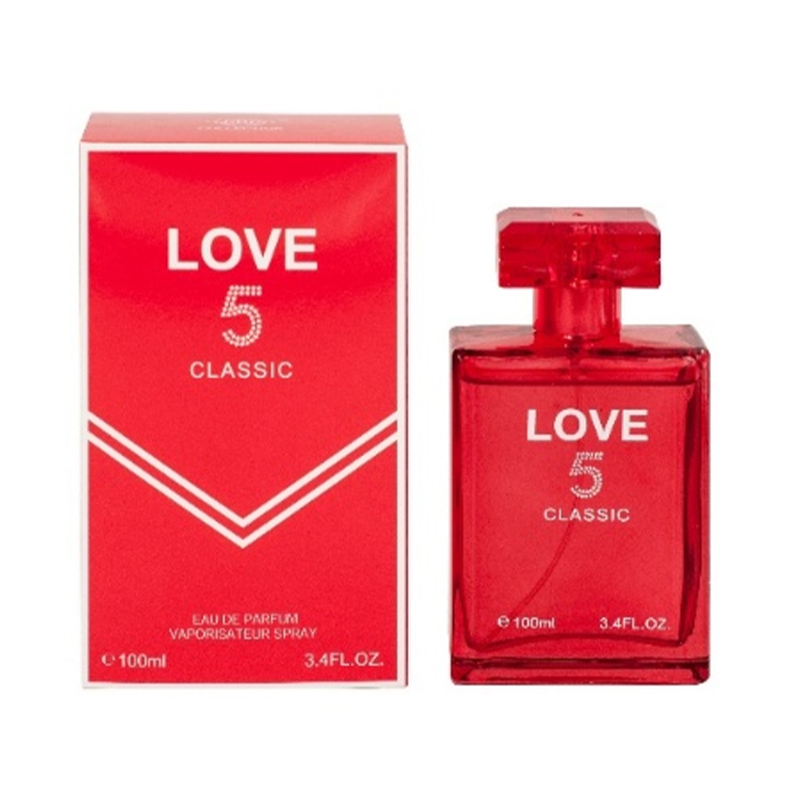
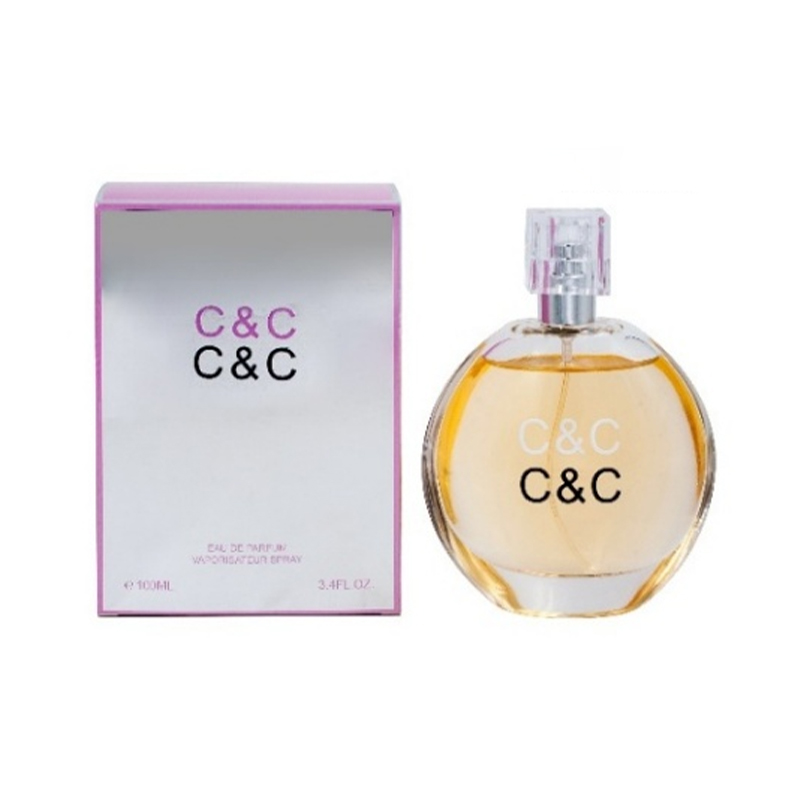
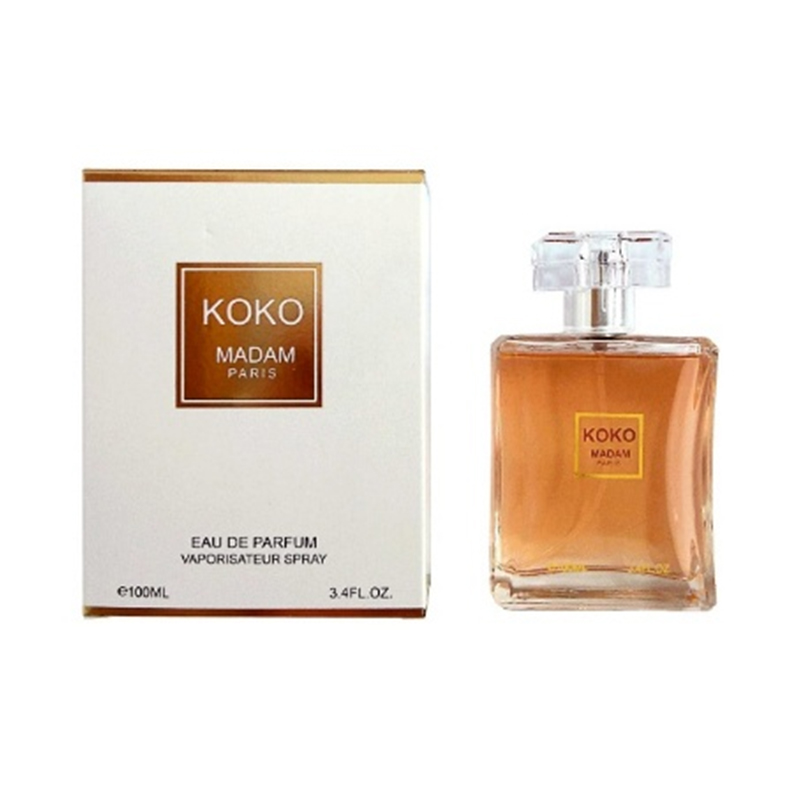
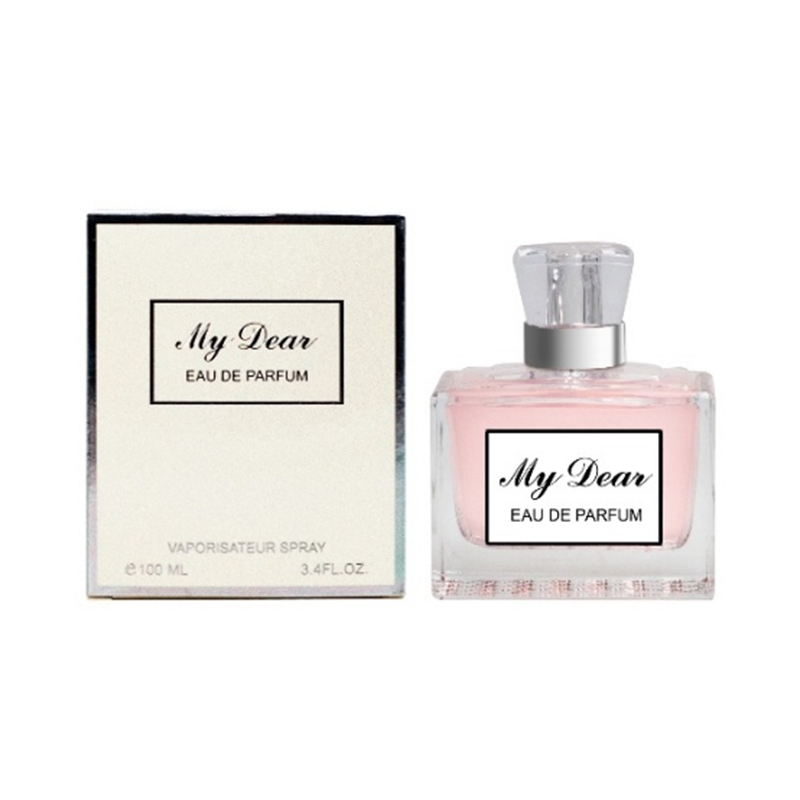
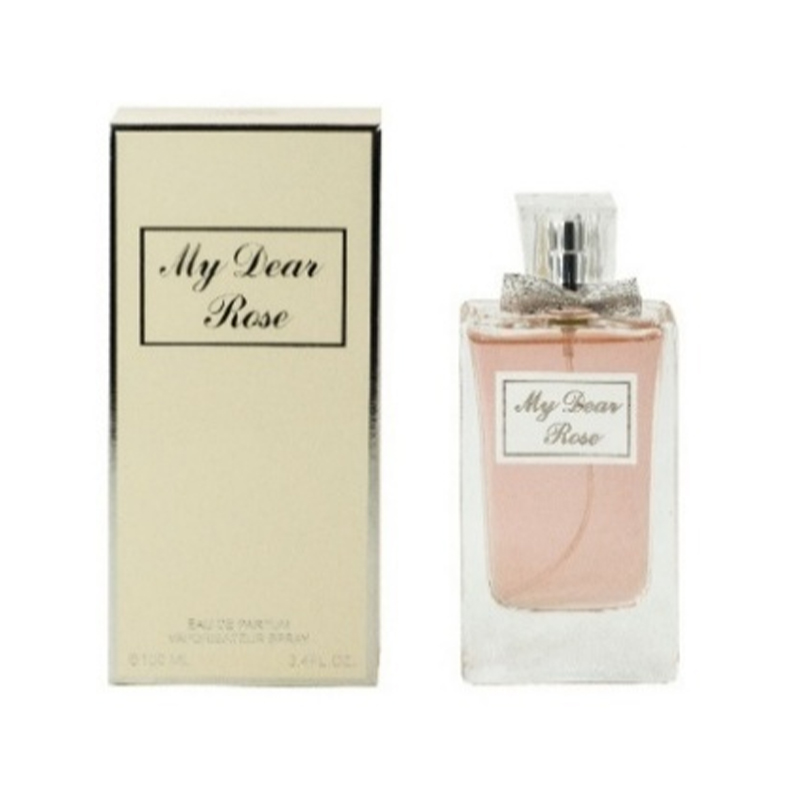
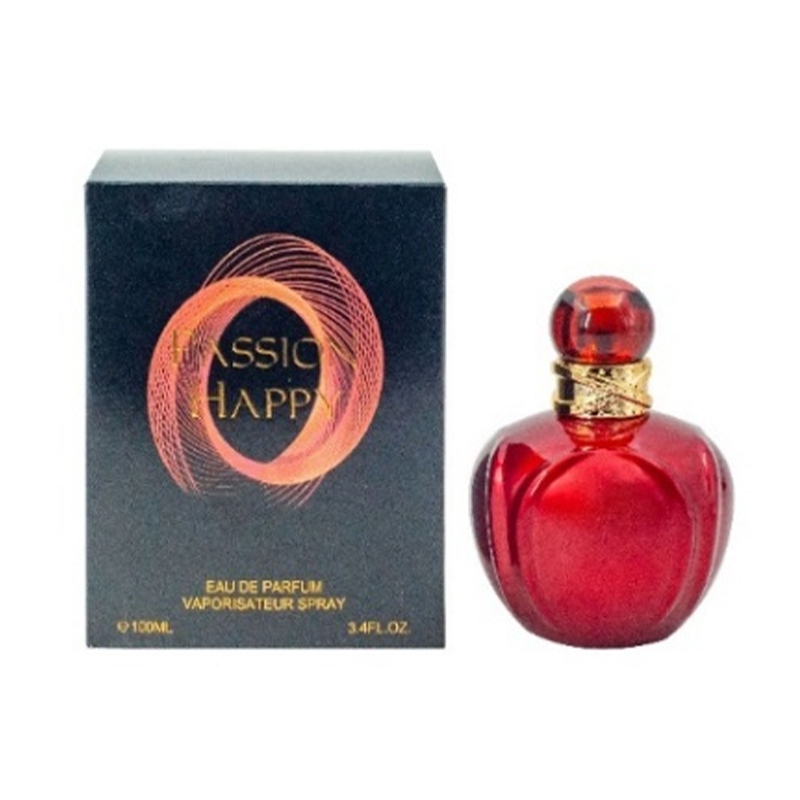
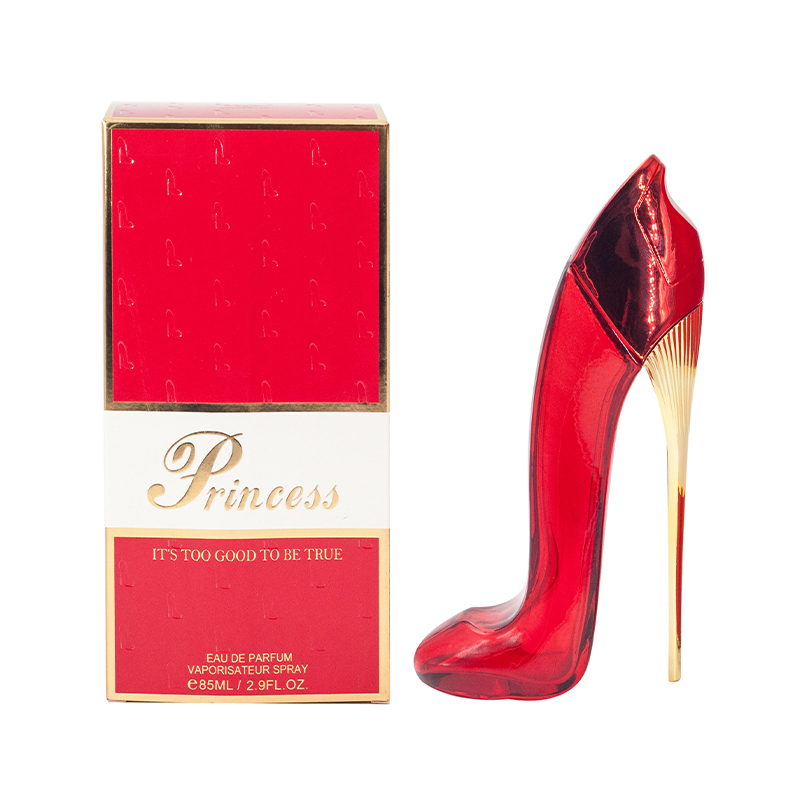
The visual presentation of a perfume can reinforce its scent concept. Fruity fragrances may use colorful bottles, fruit-inspired graphics, transparent glass, or playful packaging details.
Packaging colors can also reflect the fragrance profile. Orange or yellow may suggest citrus, pink can be associated with berries or peach, while green may represent apple or pear.
For a Fruity Perfume, visual design and scent composition can work together to create a recognizable product identity.
Fruity Perfume Fits Different Fragrance Styles
Fruit-inspired scents are not limited to one specific fragrance group. They can be combined with floral, woody, oriental-inspired, gourmand, fresh, or musky compositions.
This allows perfume manufacturers and fragrance designers to develop products for different age groups, occasions, and personal preferences.
A light citrus composition may suit daytime activities, while a berry and vanilla combination can create a sweeter evening style. Tropical fruit accords can also bring a relaxed character to seasonal fragrance collections.
Fragrance Design Focuses On Balance
Creating a successful fruit-inspired fragrance involves more than simply adding several fruit notes. Perfumers consider the relationship between top, middle, and base notes to create a smooth development.
The opening may feature citrus or crisp fruit, followed by floral or soft fruit notes. Woods, musk, amber, or vanilla can provide a deeper base.
This layered approach gives Fruity Perfume a broader range of scent possibilities. From crisp citrus blends to creamy tropical compositions, fruit notes continue to provide creative opportunities for fragrance designers and consumers looking for distinctive scent profiles.