English
  русский
  Español
  عربى
عربى 



Fragrance choices shape everyday moments, from morning routines to evening gatherings. Among the available concentrations, Eau de Parfum (EDP) offers a balanced intensity that sits between lighter sprays and richer pure perfume oils. This form typically contains a higher percentage of aromatic compounds dissolved in alcohol, creating a noticeable presence that develops gradually on the skin.
Understanding the Concentration Level
Eau de Parfum (EDP) generally features aromatic compounds in the range that provides lasting character without overwhelming the wearer. The alcohol base helps the oils disperse evenly when sprayed or dabbed. Once applied, the liquid evaporates at a measured pace, releasing the scent molecules into the surrounding air. This process creates a personal aura that moves with the individual.
Skin type and ambient temperature influence how the fragrance behaves. Warmer conditions can open the notes more quickly, while cooler air may slow the release. The formulation itself remains consistent, giving users a familiar experience across different settings.
Layered Notes and Their Development
Fragrance creators arrange ingredients so that each stage reveals distinct qualities. Citrus or light floral elements often open the composition, offering an immediate impression. As these fade, warmer floral, spicy, or woody materials emerge to define the main character. Finally, deeper resins, musks, or amber notes provide a steady foundation.
Eau de Parfum (EDP) supports this sequence because its oil content sustains the middle and base stages effectively. The result is a scent that changes subtly over time rather than disappearing after a short period. Wearers often notice the evolution as they move through their day.
Practical Ways to Apply the Fragrance
Application usually focuses on pulse points where body warmth helps diffuse the scent. Wrists, the base of the throat, and the inner elbows are common choices. A light spray or small dab allows the fragrance to settle without saturating the skin. Some people also mist the air and walk through it for a softer distribution.
Clothing can hold the scent as well, particularly natural fabrics that absorb the oils gently. A single application in the morning often carries through ordinary activities such as work, errands, or social meetings. Eau de Parfum (EDP) adapts to these routines because of its steady release pattern.
Situations That Suit This Concentration
Daily office environments, casual outings, and evening events all accommodate Eau de Parfum (EDP). The presence remains clear enough to notice yet moderated enough for close conversations. Seasonal changes also work well; lighter interpretations suit warmer months, while richer versions complement cooler weather.
Travelers sometimes prefer this concentration because a modest amount provides reliable coverage across changing conditions. At home, the fragrance can mark personal spaces such as a favorite chair or reading corner when lightly applied nearby.
Observations From Regular Wear
People who incorporate the fragrance into their routine often appreciate the way it accompanies them without demanding frequent reapplication. The scent interacts with individual skin chemistry, producing slight variations that feel personal. Storage in a cool, dark place helps preserve the original character of the liquid between uses.
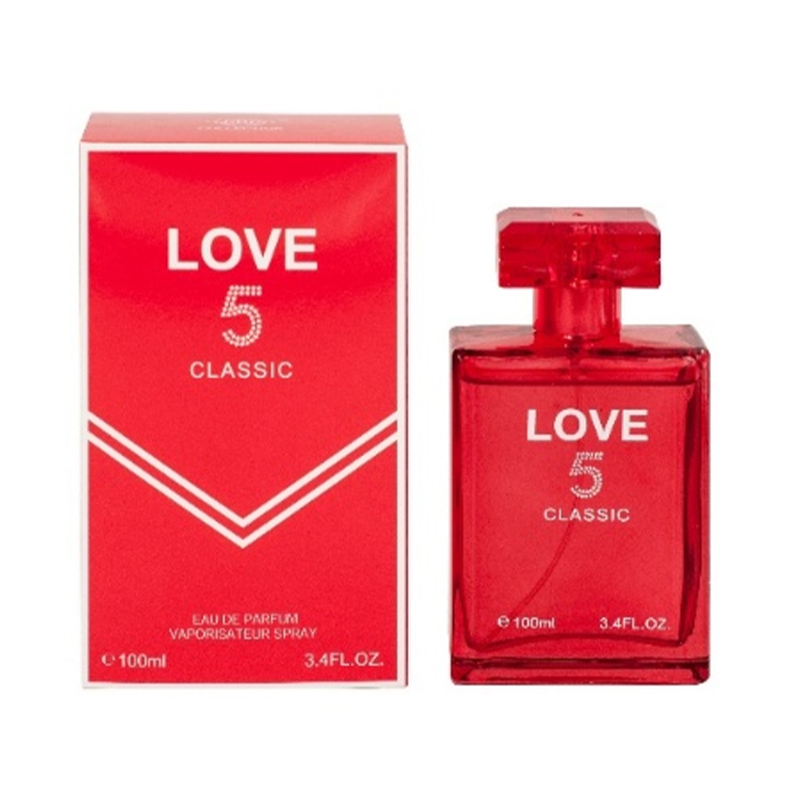
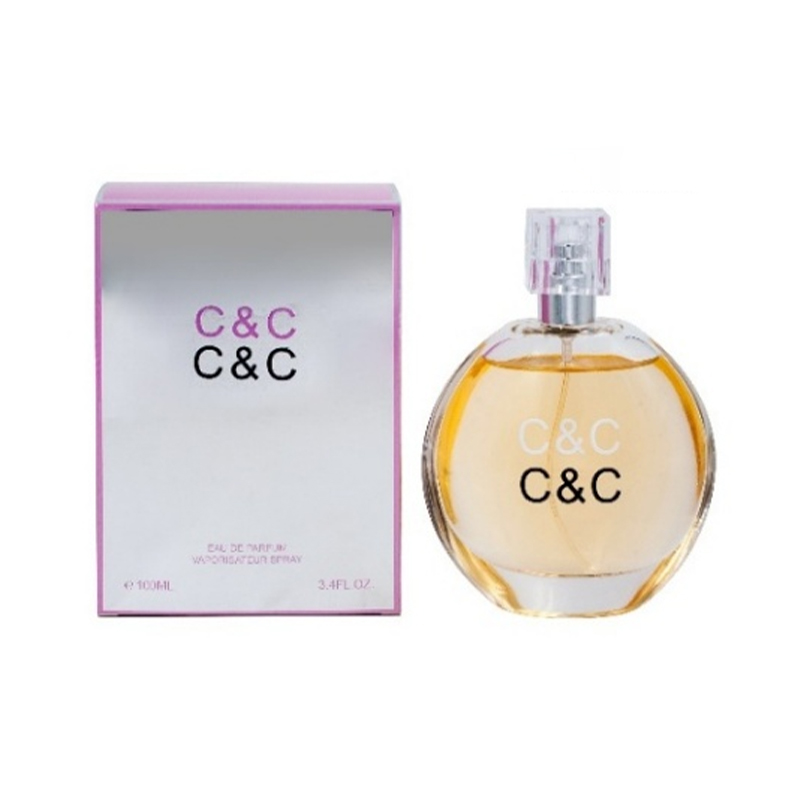
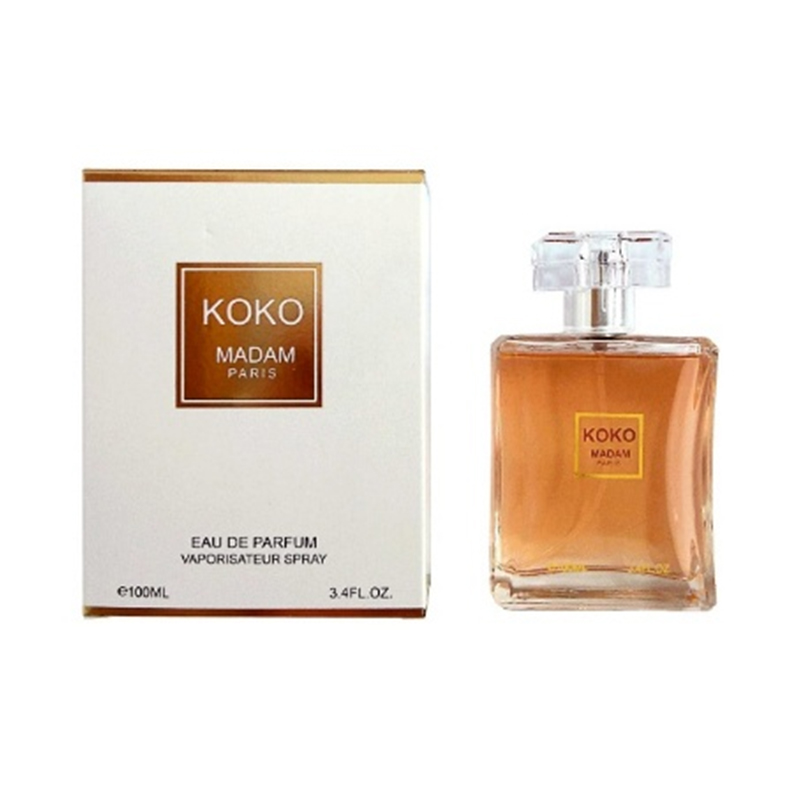
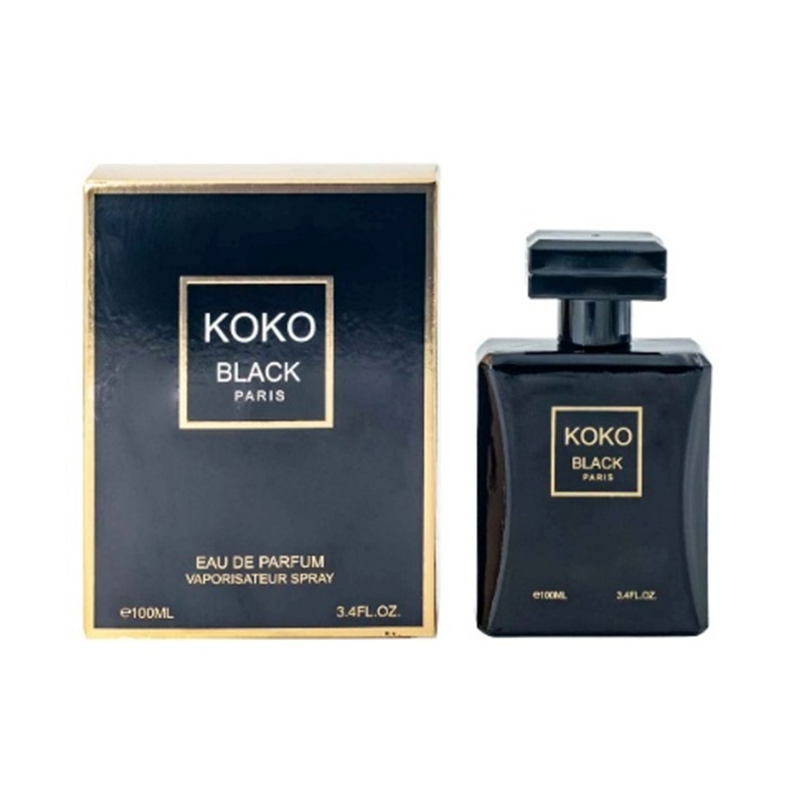
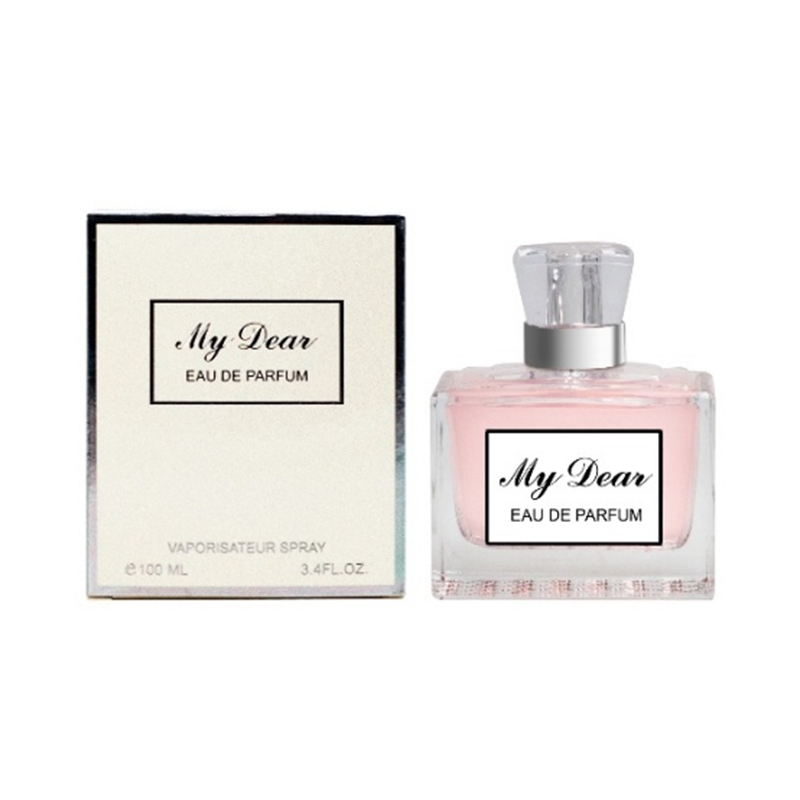
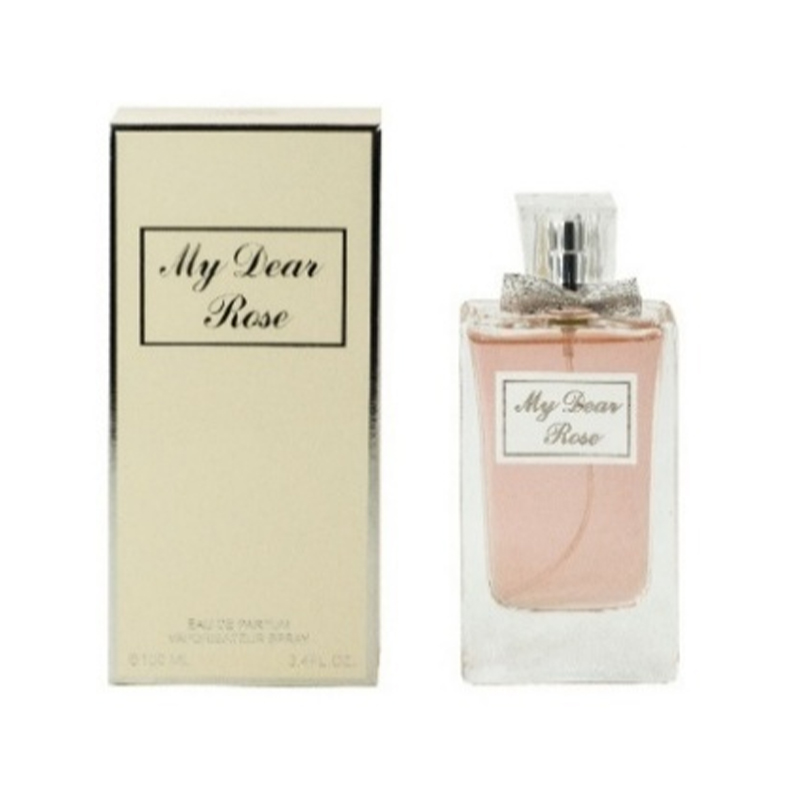
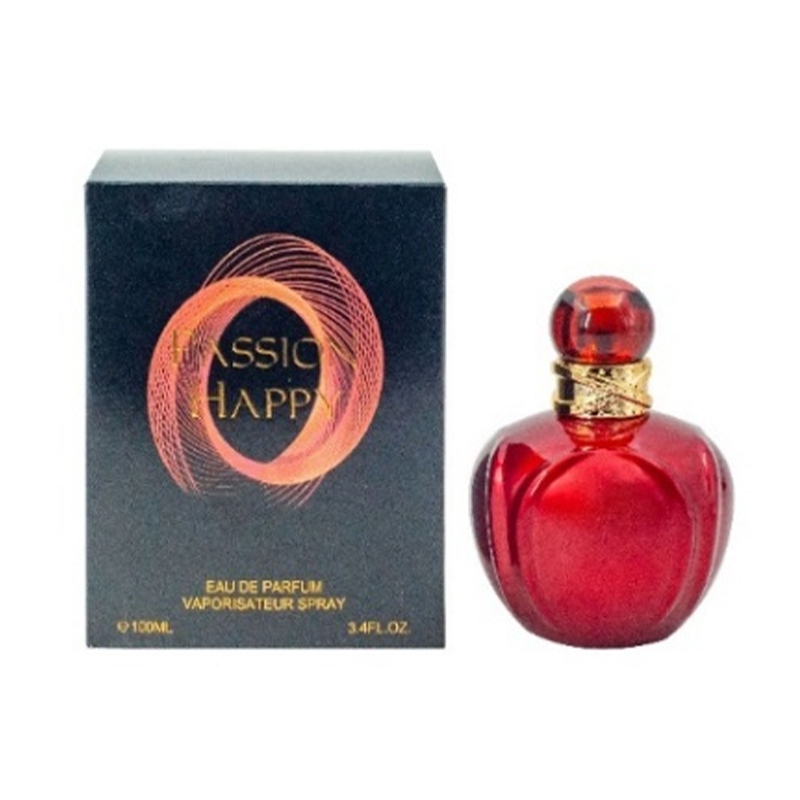
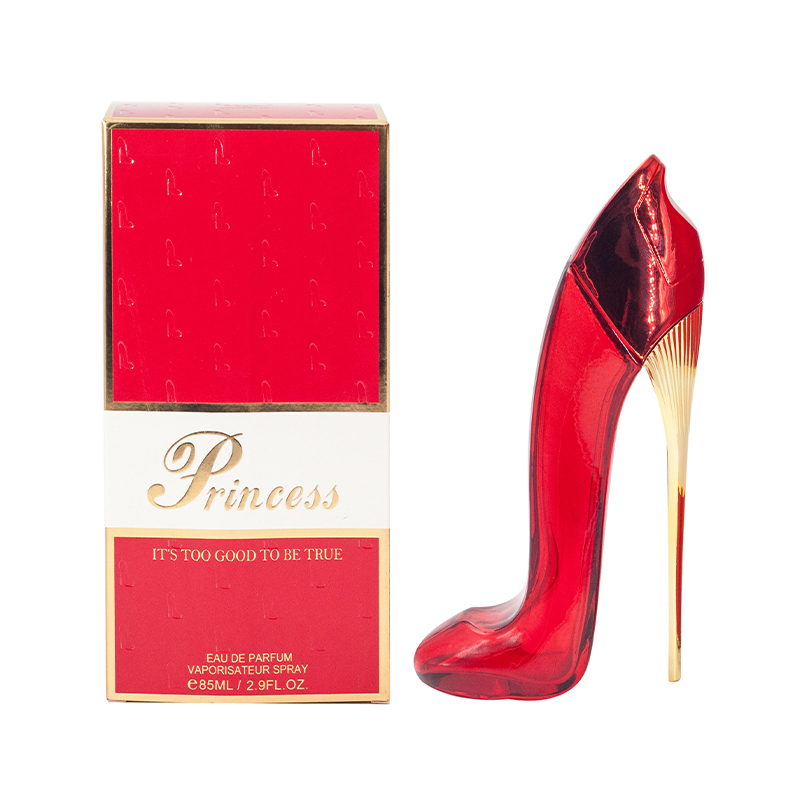
The bottle design typically includes a spray mechanism that delivers a fine mist, supporting even coverage. Clear labeling indicates the concentration so users can identify Eau de Parfum (EDP) among other options on a shelf.
In everyday life, this fragrance form offers a reliable way to add a distinctive note to ordinary moments. Its balanced strength and layered development make it a practical selection for those who enjoy a consistent aromatic presence. Eau de Parfum (EDP) continues to serve this role through thoughtful formulation and straightforward application that fit naturally into daily schedules.