


 English
  русский
  Español
  عربى
عربى 





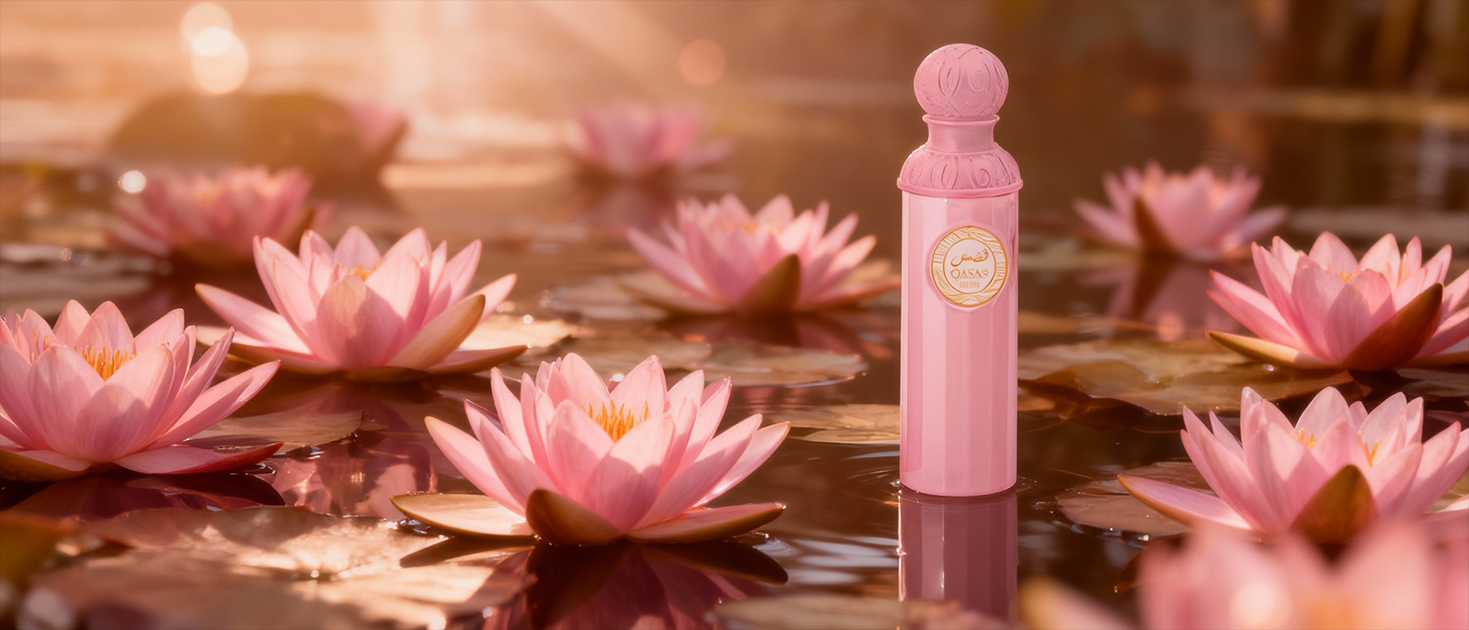
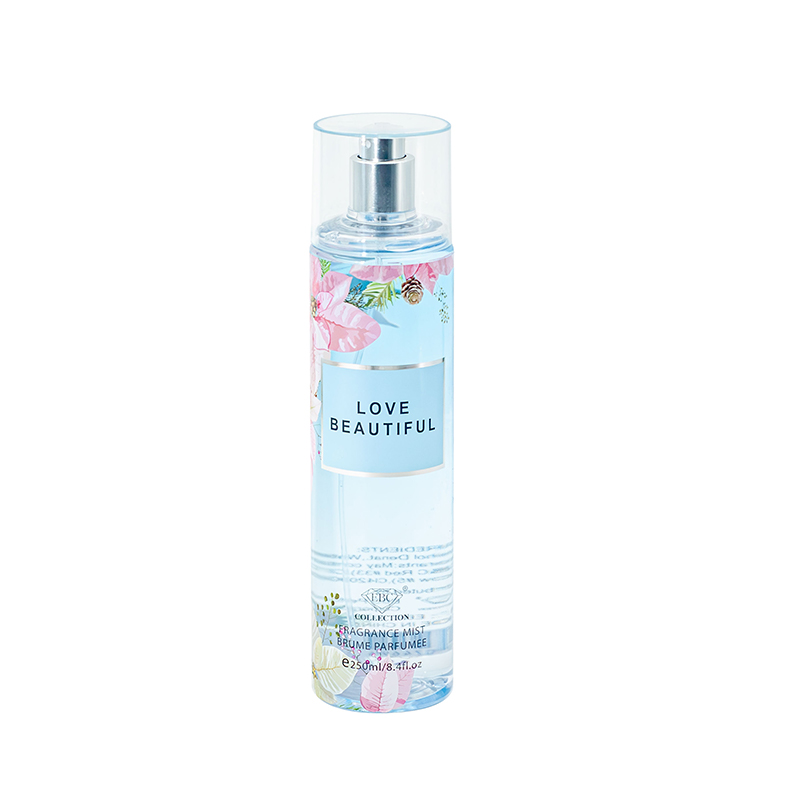
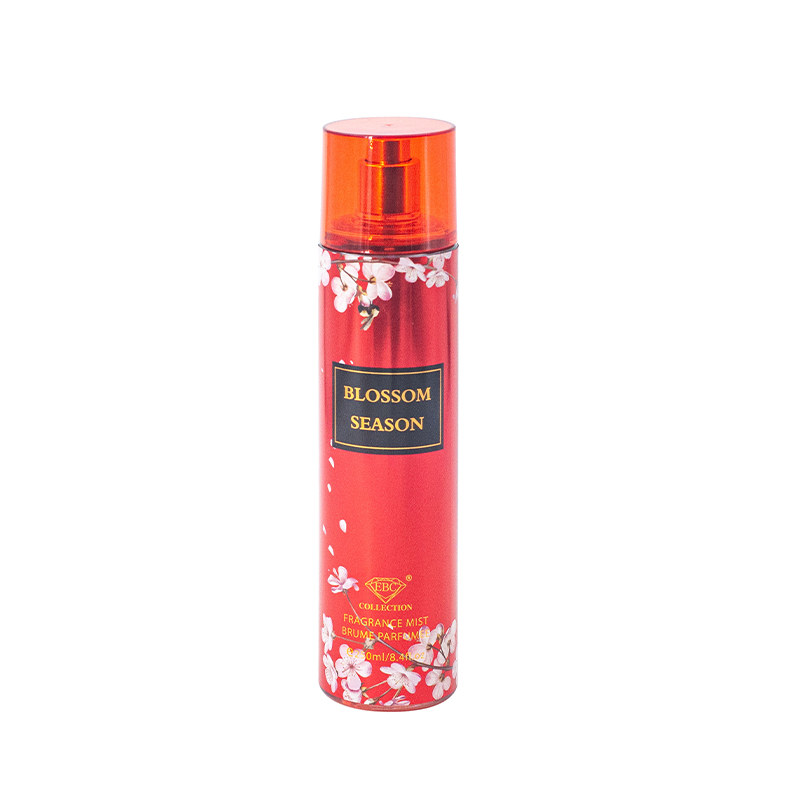
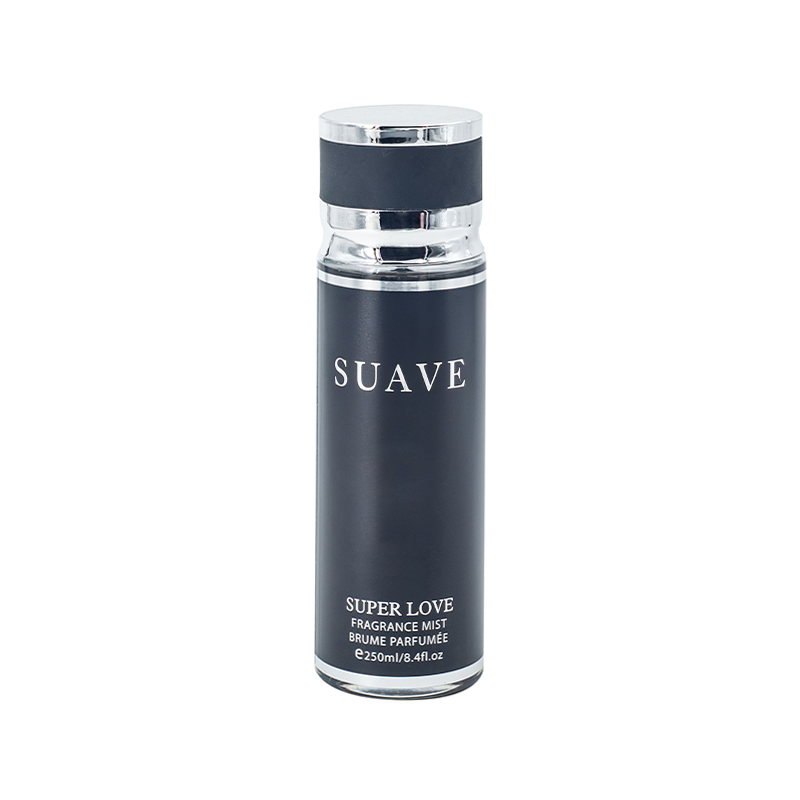
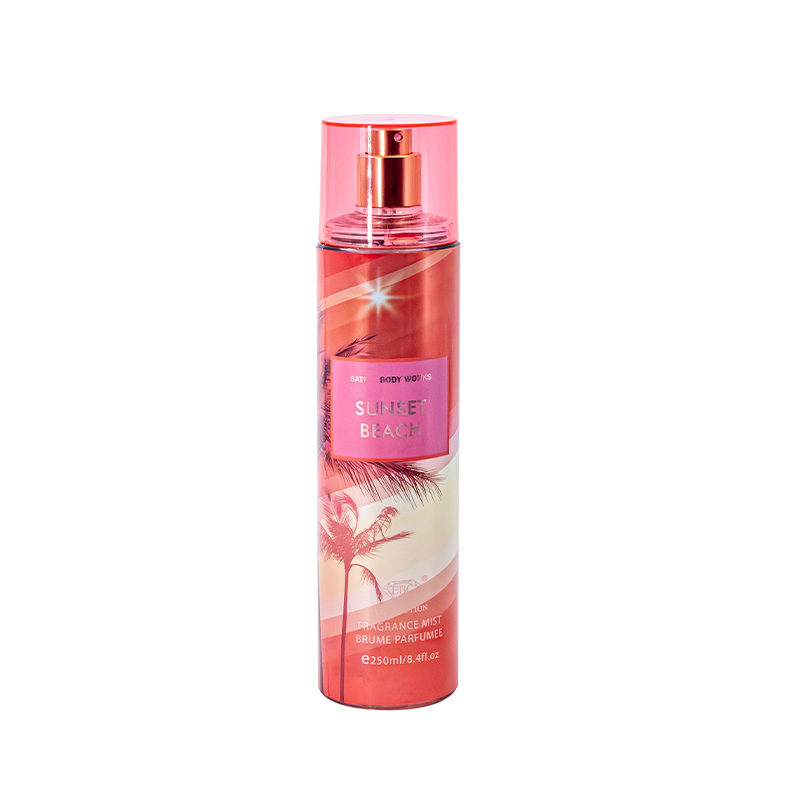
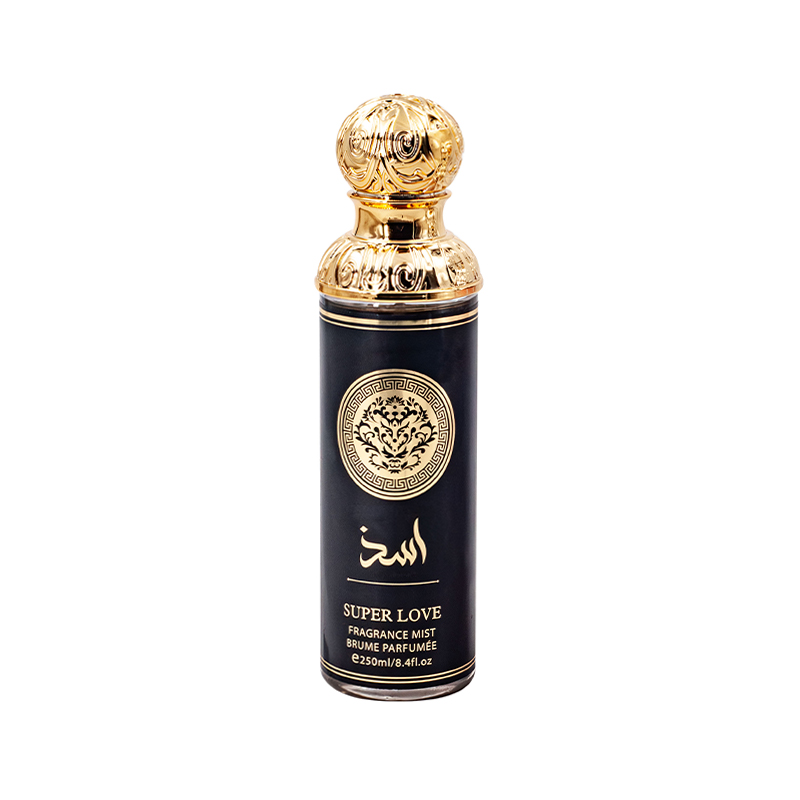
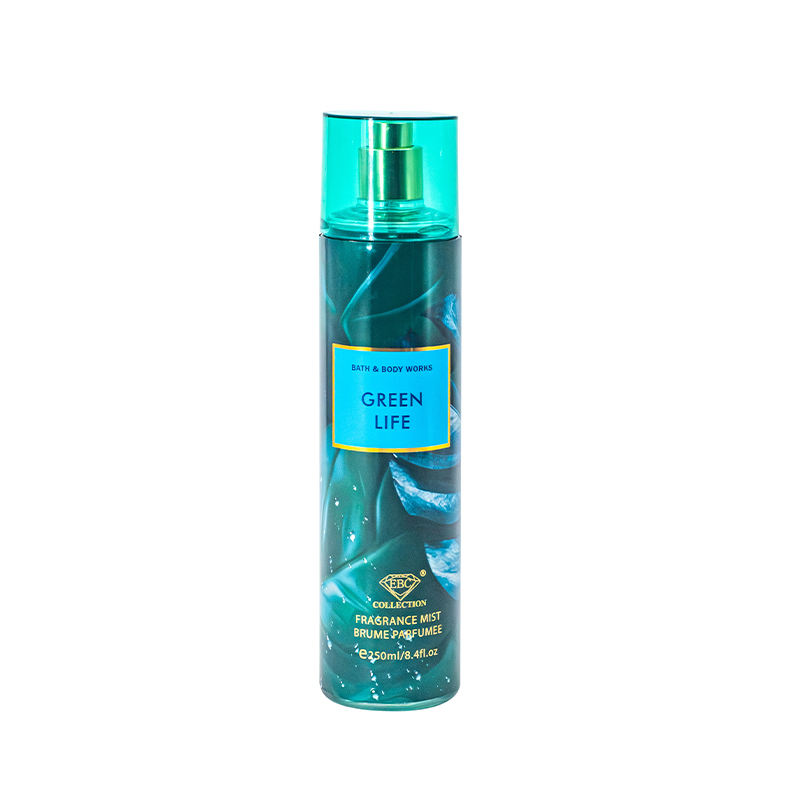
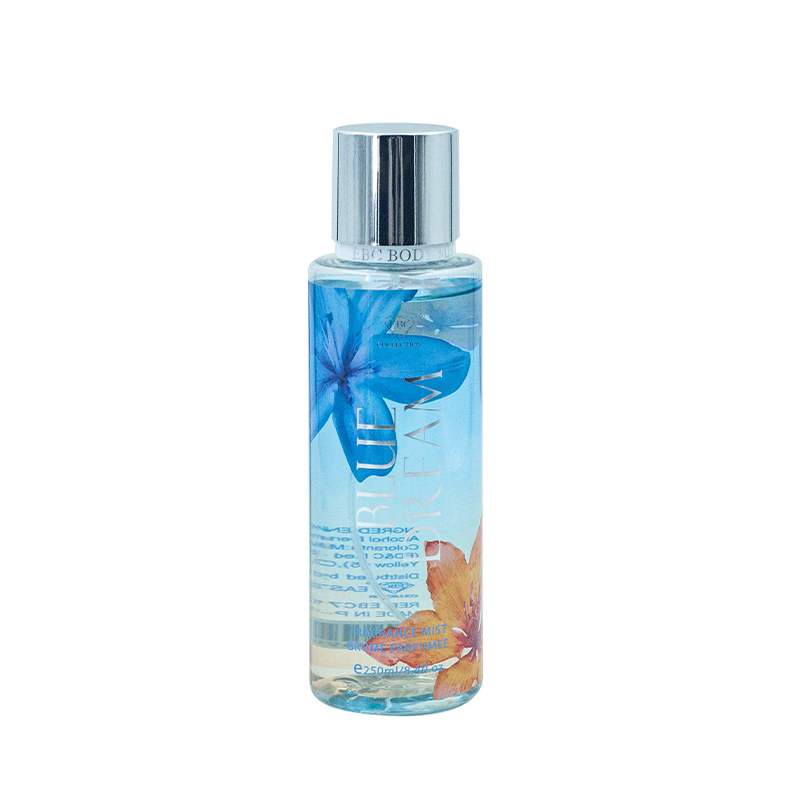
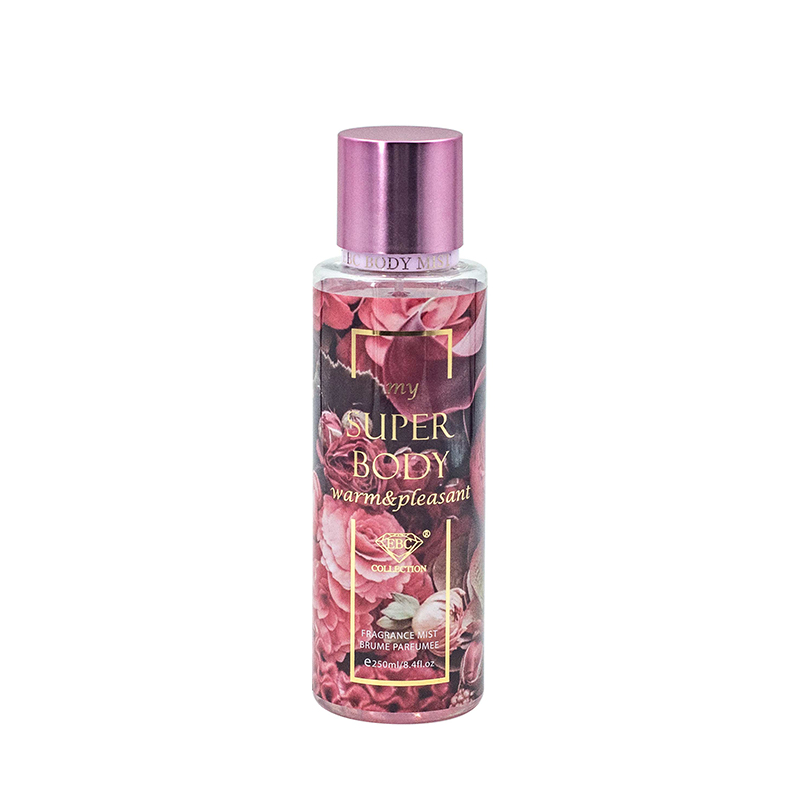
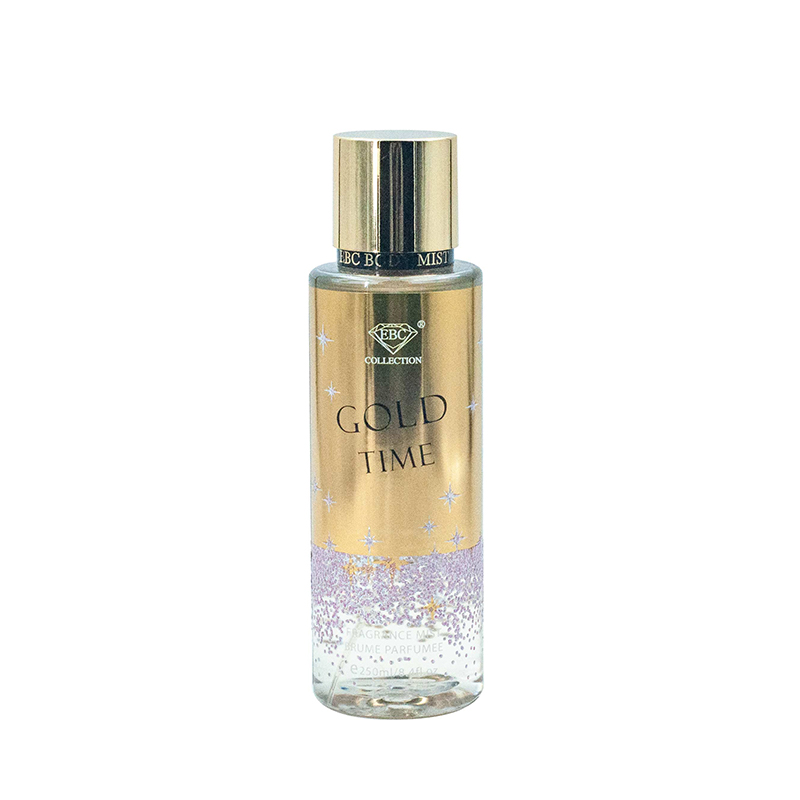
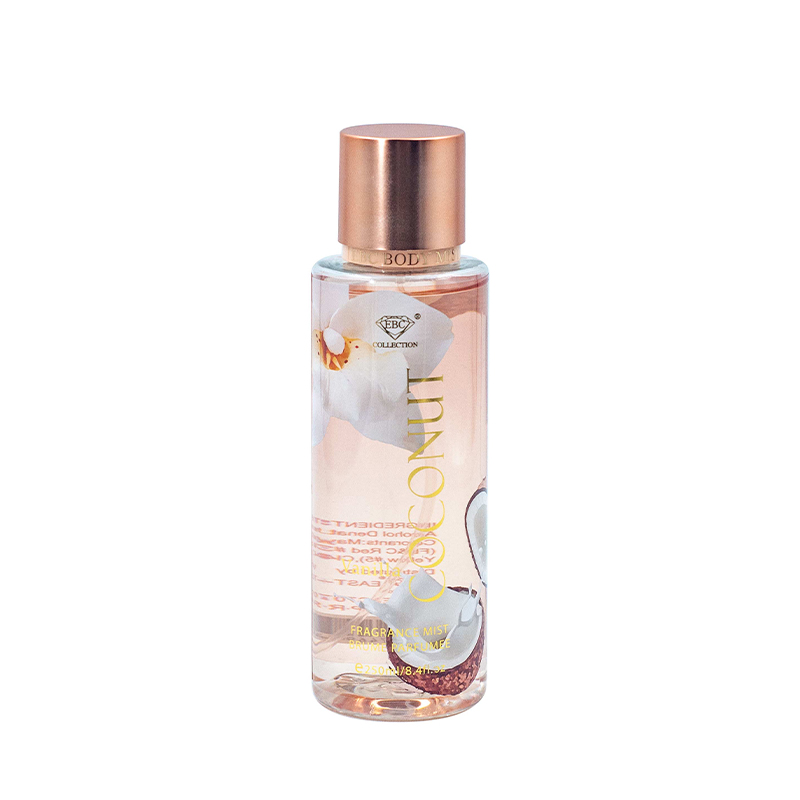
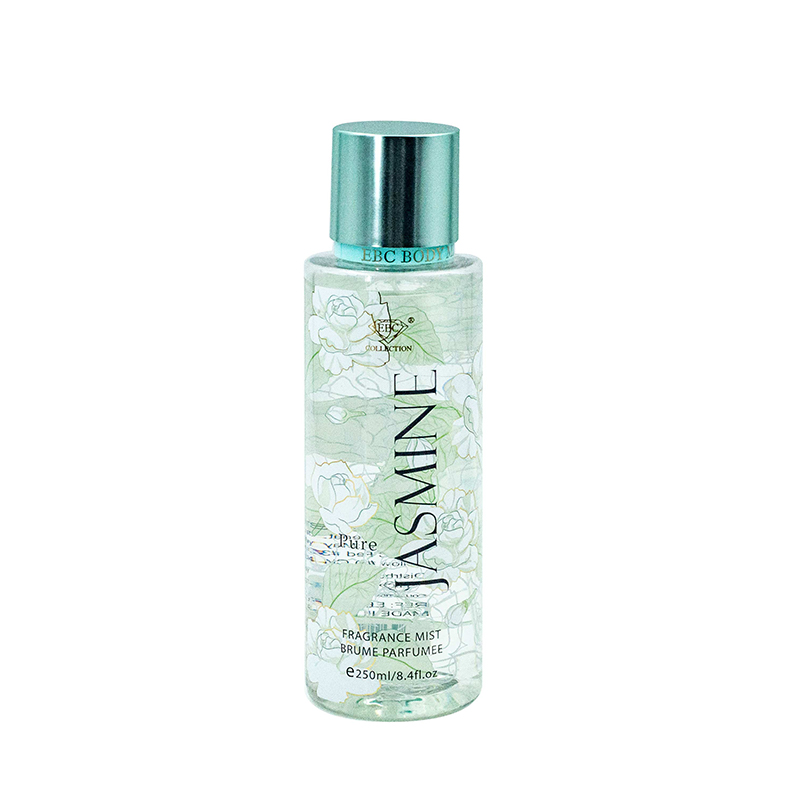
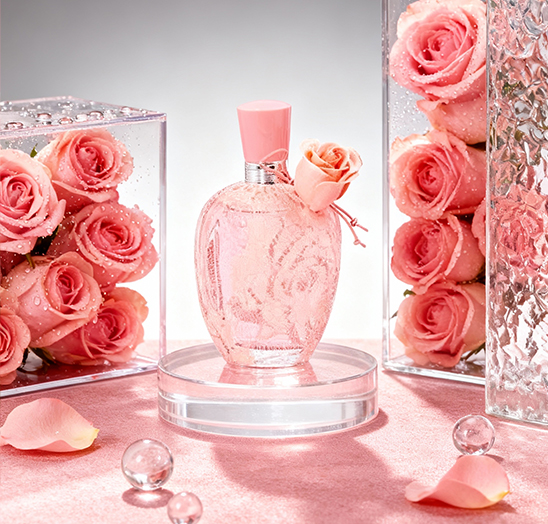

Eau de Toilette (EDT) is the most mainstream daily-use concentration in the perfume category. Compared to Eau de Parfum (EDP), EDT typically has a fragrance concentration between 5% and 15%, offering a clear top note upon opening. The overall scent is light and transparent, not overpowering in enclosed spaces.
Zhejiang Xianglan Cosmetics Co., Ltd.'s Eau de Toilette series also leverages the brand's in-depth research into the African and Middle Eastern markets—the bottle design draws inspiration from local Art Deco styles, while the fragrance incorporates familiar floral, citrus, and woody elements within the light EDT concentration framework. This maintains the lightweight Eau de Toilette product's attributes while catering to the aesthetic preferences of the target market.
Application Scenarios
Due to its approachable fragrance intensity and relatively low retail price, EDT products are suitable for a wider range of sales channels than EDP:
- 1. Daily Beauty Retail
Supermarkets, convenience stores, and chain beauty stores are EDT's core distribution channels. As a Refreshing Daily Perfume, EDT targets the general public who use perfume daily, rather than occasional buyers of high-end gifts. High-frequency repurchase is a prominent feature of this channel, thus distributors' demand for inventory is relatively stable and continuous.
- 2.Students and Young Consumers
The light fragrance intensity and lower unit price make EDT an entry-level perfume category for university students and young professionals. Targeting this age group in West, East, and North Africa is a common and effective marketing strategy.
- 3.Holiday Gift Sets
EDT's affordable price per bottle makes it easy to combine with body care products (lotion, shower gel) or perfume samples to create gift sets, suitable for the Christmas, New Year, and Valentine's Day gift markets. Importers in many countries typically begin large-scale stockpiling three to four months before the holidays.
- 4.Hotel and Corporate Gifts
30ml or smaller EDT sets are suitable as hotel welcome gifts, airline first-class amenities, or corporate annual meeting souvenirs. This type of procurement is characterized by concentrated demand, clear delivery times, and high customization requirements for external packaging and printing.
- 5. Supermarkets and Drugstore Chains
Large supermarkets and drugstore chains in parts of the Middle East and Africa have specific requirements for shelf-ready packaging. The lightweight nature and acceptable price range of the Eau de Toilette (EDT) series make it a stable replenishment category for these channels.
Why Choose Our Eau de Toilette?
- ① Daily Use Attributes Lead to Higher Repurchase Frequency
Compared to EDP (Electronic Demand Permit), EDT is a category that consumers purchase more frequently—lighter fragrances, larger quantities, and shorter replenishment cycles. For distributors, this means more stable turnover and more predictable inventory rhythms, eliminating the risk of unsold inventory buildup.
- ② Fragrance Design Tailored to the Target Market, Not a Generic Formula
Our EDT series undergoes specialized research during the fragrance formulation stage: consumers in tropical African climates prefer fragrances with crisp top notes and moderate dissipation speed; Middle Eastern consumers, while preferring strong fragrances, also accept fresh, daily-use styles. The factory adjusted the fragrance structure within the EDT concentration framework based on these differences, avoiding the problem of generic formulas being out of touch with local consumer habits.
- ③ EDT as an entry-level category reduces the risk of entering new markets.
For importers exploring emerging markets, EDT is a low-risk trial category: low unit price, broad market acceptance, and no consumer education costs. Compared to high-concentration perfumes, EDT is easier to obtain the first purchase from end buyers, helping to quickly establish brand awareness in the local market.
- ④ Can form a complementary product matrix with other perfume lines.
If the buyer is already selling our EDP series products (such as SUPERLOVE, EBC, etc.), the EDT series can be used as a lightweight entry-level product to complement it, forming a complete perfume product matrix across low, medium, and high price ranges, meeting the needs of different consumer levels, while increasing the category concentration of a single customer.
OEM Capability
Zhejiang Xianglan Cosmetics Co., Ltd. provides full-process OEM services for buyers who wish to sell EDT products under their own brand, without requiring the use of existing brand names. The main customizable features are as follows:
- Fragrance Customization: Target scents can be developed within the EDT concentration range. Reference perfumes can be provided for scent replication. Commonly used directions include fresh citrus, aquatic marine, light floral-fruity, and light woody notes.
- Concentration Fine-tuning: The standard EDT fragrance content can be adjusted within the range of 5%–15% to match the regulatory requirements of different destination countries or consumer preferences for fragrance intensity, while also considering the corresponding price range.
- Bottle Design and Decoration: Existing standard molds can be delivered quickly; custom bottle designs can be created after reaching the minimum mold opening quantity. Silkscreen printing, UV printing, hot stamping, and acid etching/matte finishes are supported.
- Brand Logo: Customer logos and brand information can be printed on the bottle, cap, and outer box. Labels in any language are supported, including barcodes, QR codes, and the language of the destination country's regulations.
Frequently Asked Questions
Q1: What is the difference between Eau de Toilette and Eau de Parfum? How should I choose when purchasing?
The core difference between the two lies in the fragrance content: EDT typically contains 5%–15%, while EDP usually contains 15%–20% or more. EDT has a lighter scent, dissipates faster, and is more affordable, making it suitable for everyday retail and mass distribution channels; EDP has a longer-lasting scent and a richer fragrance, suitable for the gift market and consumers willing to pay a premium for quality.
Q2: Can you produce an alcohol-free version of EDT?
Traditionally, Eau de Toilette uses alcohol as a solvent, so an alcohol-free version is technically an oil-based perfume or balm, with a different concentration system. If there is demand in the halal market, we can develop corresponding alcohol-free oil-based formulas through OEM services; please specify this in your inquiry.



