English
 русский
 Español
 عربى



Fruit Notes Bring Variety to Fragrance Design
Fruit-inspired fragrances have become an interesting part of modern perfume collections. From crisp apple and juicy pear to sweet raspberry, mandarin, and tropical passionfruit, fruit notes offer fragrance developers a wide range of scent directions. These ingredients can create fresh, sweet, tart, or warm impressions depending on how they are combined.
For perfume manufacturers, Fruity Perfume is not simply about adding a recognizable fruit scent to a formula. It involves selecting compatible aromatic materials and balancing them with floral, spicy, musky, or woody notes. This approach allows brands to develop different fragrance profiles while maintaining a clear product identity.
Popular Fruit Notes Used in Perfume Formulation
Different fruits contribute different characteristics to a fragrance composition. Some create a light opening, while others bring sweetness or a richer scent impression.
- Citrus Notes: Mandarin, grapefruit, bergamot, and lemon provide bright and refreshing scent profiles. They are often used in the opening of a fragrance.
- Berry Notes: Raspberry, blackcurrant, cranberry, and strawberry accords introduce sweet or slightly tart characteristics.
- Tropical Fruit Notes: Passionfruit, mango, and pineapple can add a juicy and distinctive direction to a fragrance.
- Soft Fruit Notes: Apple, pear, peach, and melon create smooth, sweet, or watery impressions that can work alongside floral and green notes.
The selection of fruit accords depends on the intended fragrance style. A citrus-based composition may suit a fresh collection, while berry and peach combinations can support sweeter fragrance concepts.
How Fruit Notes Work with Floral and Woody Accords
A balanced perfume formula usually contains several layers. Fruit notes are frequently used at the top, but they can also appear in the middle of a composition. Floral ingredients such as rose, jasmine, and peony help connect fruity openings with deeper base notes.
For example, apple and raspberry can be combined with black peony, rose, and iris. Vanilla, tonka bean, musk, and cashmere wood can then add warmth to the overall composition. This combination creates a fragrance profile that moves from fruity sweetness toward a softer, warmer finish.
Another approach combines grapefruit, ginger, and cranberry with lavender, clary sage, and woody accords. This arrangement creates a different character, showing how Fruity Perfume can extend beyond traditional sweet fragrance styles.
From Fragrance Concept to Manufacturing
Developing a fruit-inspired perfume begins with a fragrance concept. The manufacturer identifies the intended scent direction and selects suitable aromatic materials according to the desired composition.
The next stage involves blending different fragrance ingredients in planned proportions. Adjustments may be made to the balance between fruit, floral, and base notes until the formula achieves its intended character. The fragrance mixture can then undergo a resting period before filtration and preparation for filling.
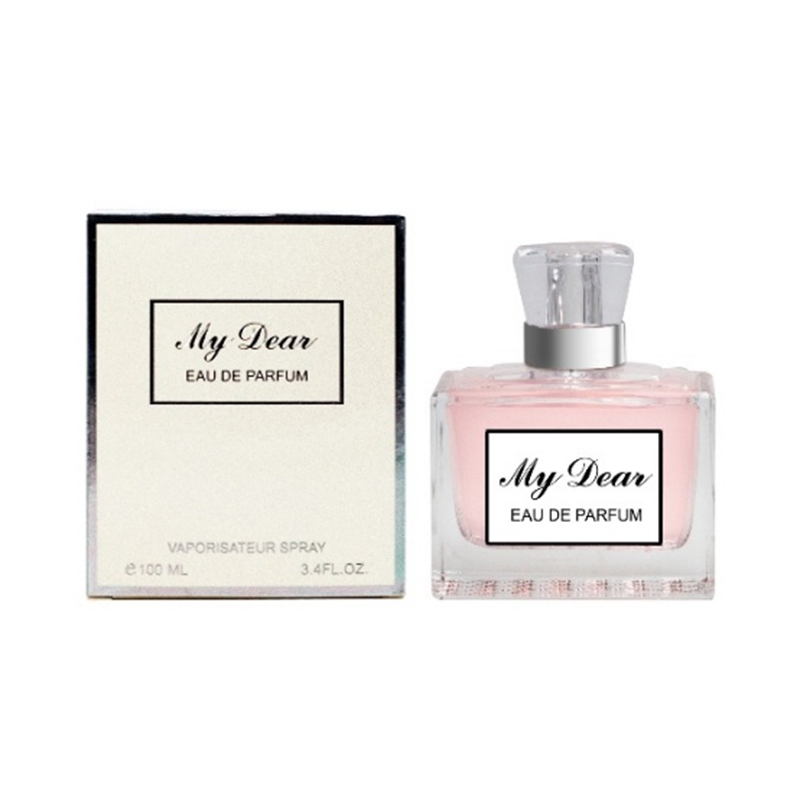
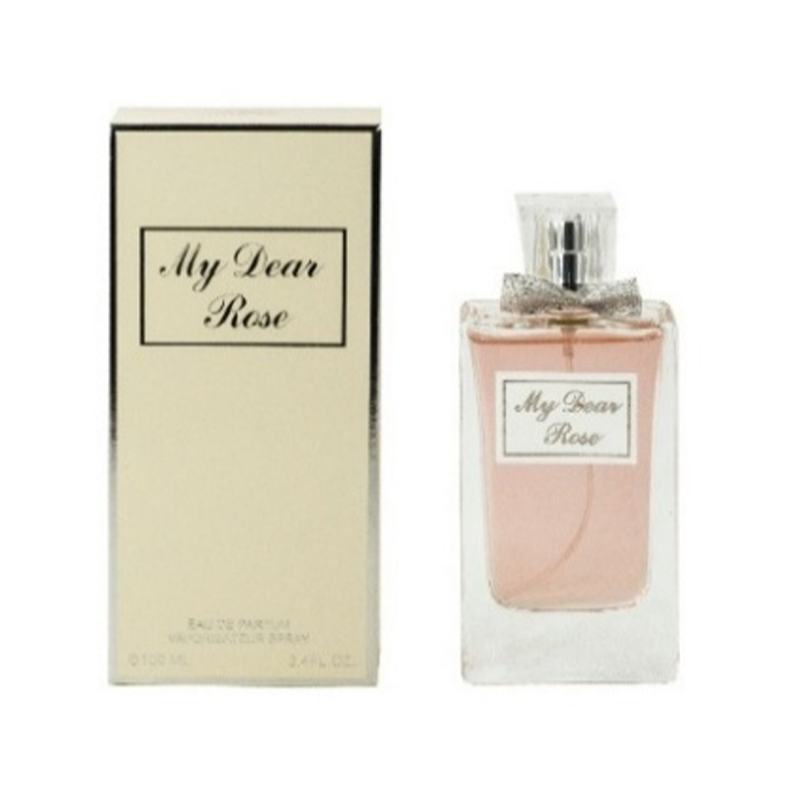
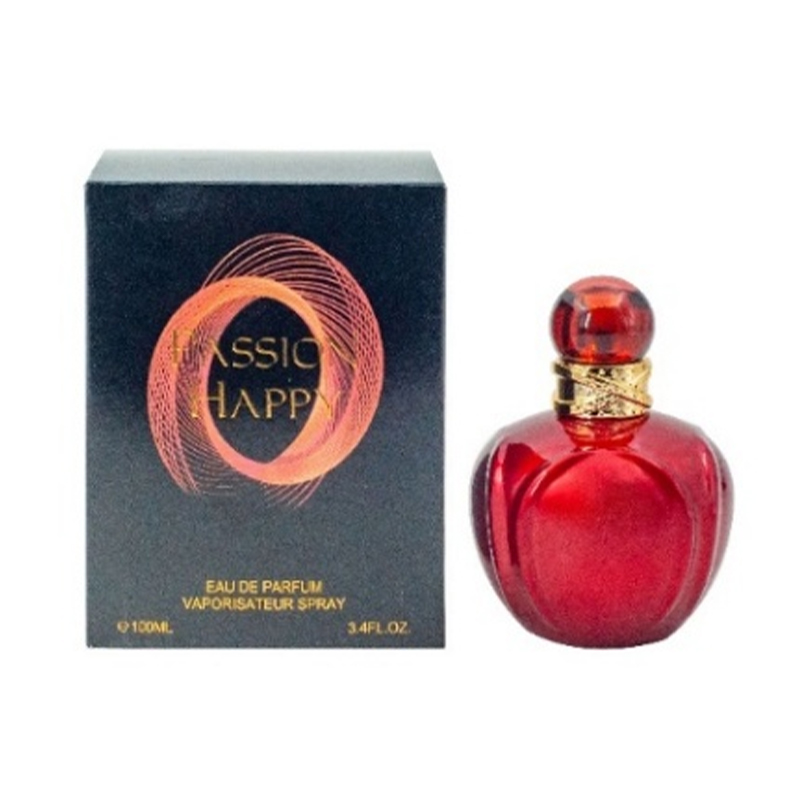
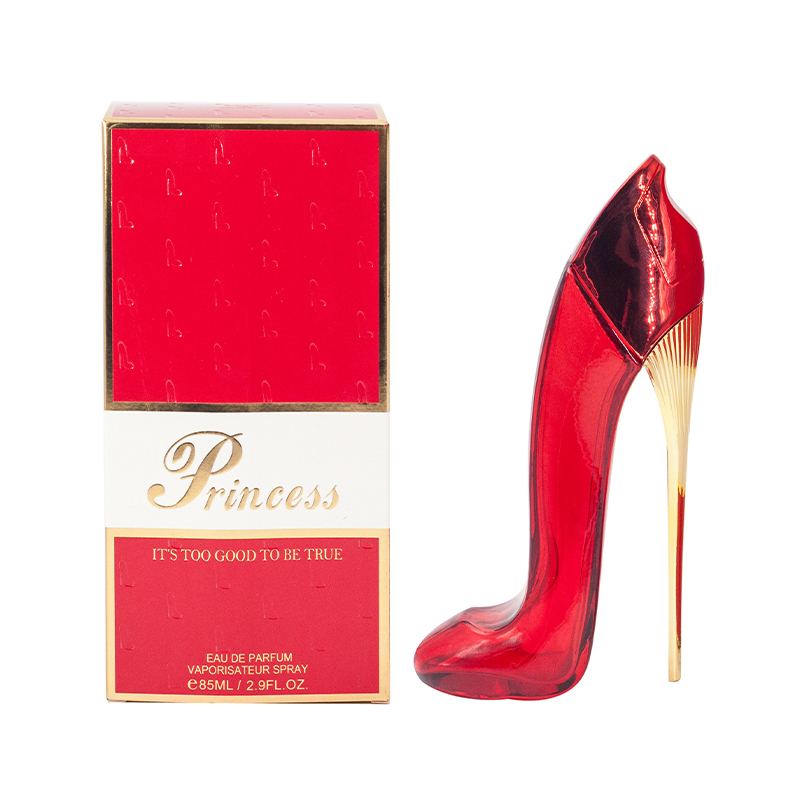
For finished perfume production, the prepared liquid is transferred into bottles using the specified filling process. Spray pumps, bottle caps, labels, and outer boxes are added according to the product design. These manufacturing steps connect fragrance development with the final retail presentation.
Conclusion
Fruit notes offer considerable flexibility in perfume formulation. By combining citrus, berries, tropical fruits, and softer fruit accords with floral or woody ingredients, manufacturers can create fragrance profiles for different market segments. For overseas brand owners and distributors, Fruity Perfume provides a versatile product category that connects scent development, manufacturing, and customized brand presentation.