English
  русский
  Español
  عربى
عربى 



The Building Blocks Buyers Should Recognize
Oriental Perfume blends typically lean on a small set of raw materials, though the exact ratios shift dramatically between suppliers and target markets.
- Amber and resin bases (labdanum, benzoin) that create warmth and depth
- Spice notes such as cinnamon, clove, and cardamom for lift and complexity
- Vanilla or tonka bean for sweetness that rounds out sharper edges
- Musk or woody bases that anchor the scent and extend how long it wears
A formula heavy on spice and light on sweetness reads very differently from one built around vanilla and amber, even though both fall under the same category label. Buyers sourcing for different regional markets often request adjustments here — a client shipping to cooler climates might ask for a heavier base note concentration, since cold air tends to mute lighter top notes.
Why Regional Preference Shapes the Order
Talk to enough distributors and a pattern emerges: oriental perfume doesn't sell the same way everywhere. Middle Eastern markets often favor intense, long-lasting formulas with pronounced oud, amber, or musk — scents built to project and hold up in heat. Buyers sourcing for Southeast Asian or European retail tend to request lighter interpretations, sometimes blended with floral or citrus top notes to soften the overall profile.
This is one reason experienced suppliers keep multiple base formulas on hand rather than a single standard blend. A client placing a bulk order for gift sets aimed at one region may need an entirely different concentration than a client stocking shelves in another.
What Happens During Sample Evaluation
Buyers new to fragrance sourcing sometimes underestimate how much a formula changes over time on skin or fabric. A scent that opens sharp and spicy can soften into something entirely different after twenty minutes, then shift again after a few hours as the base notes take over. Evaluating oriental perfume samples usually means testing at multiple intervals, not just sniffing straight from the vial.
Batch consistency is another point buyers raise often. Natural raw materials like resins and spice extracts can vary slightly from harvest to harvest, which means a supplier's ability to standardize a formula — keeping the scent profile stable order after order — becomes a real differentiator during vendor selection.
Packaging and Positioning Considerations
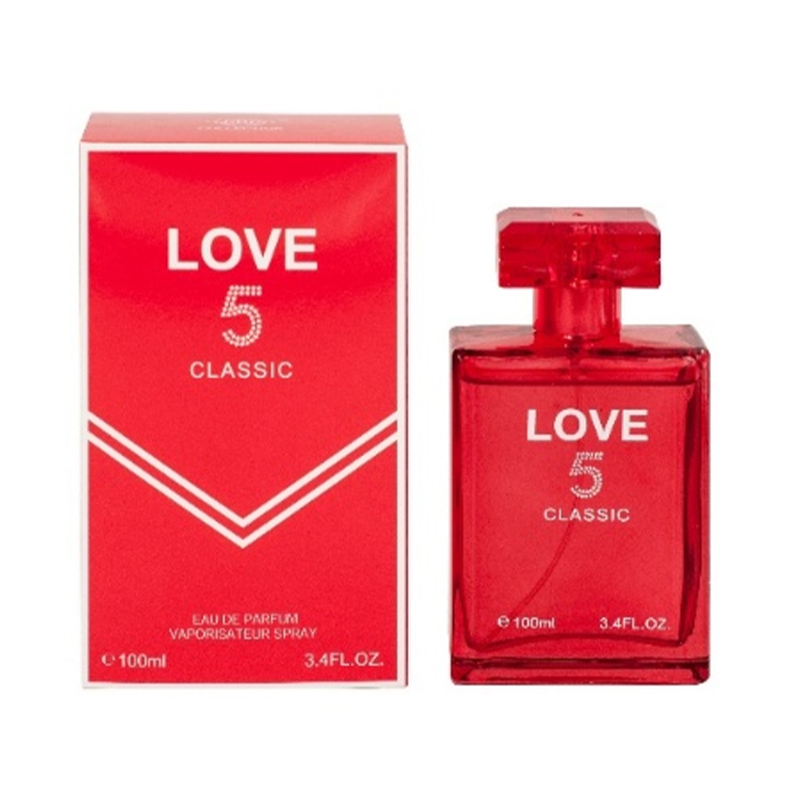
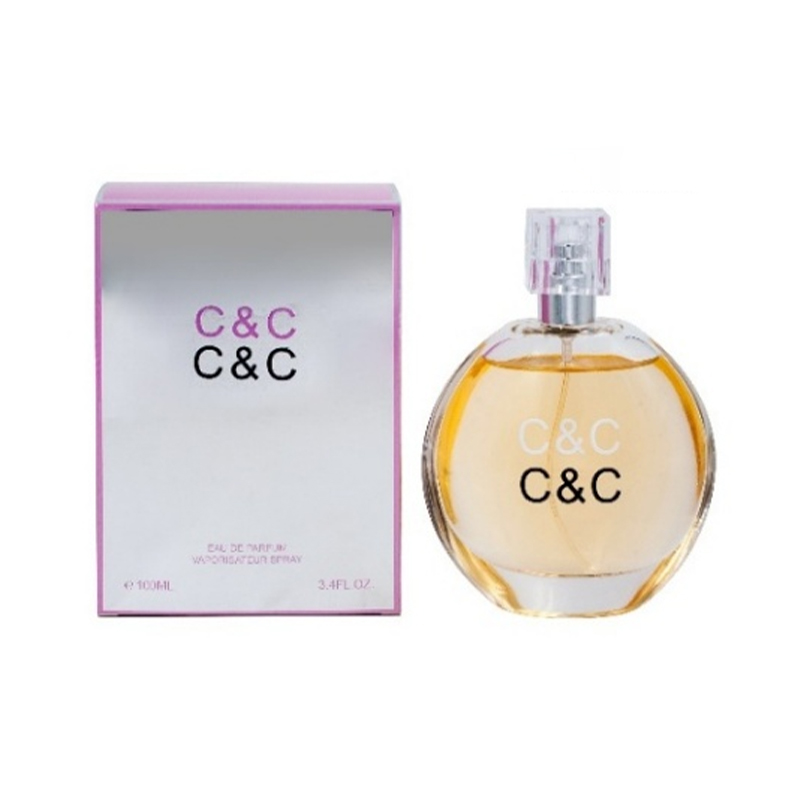
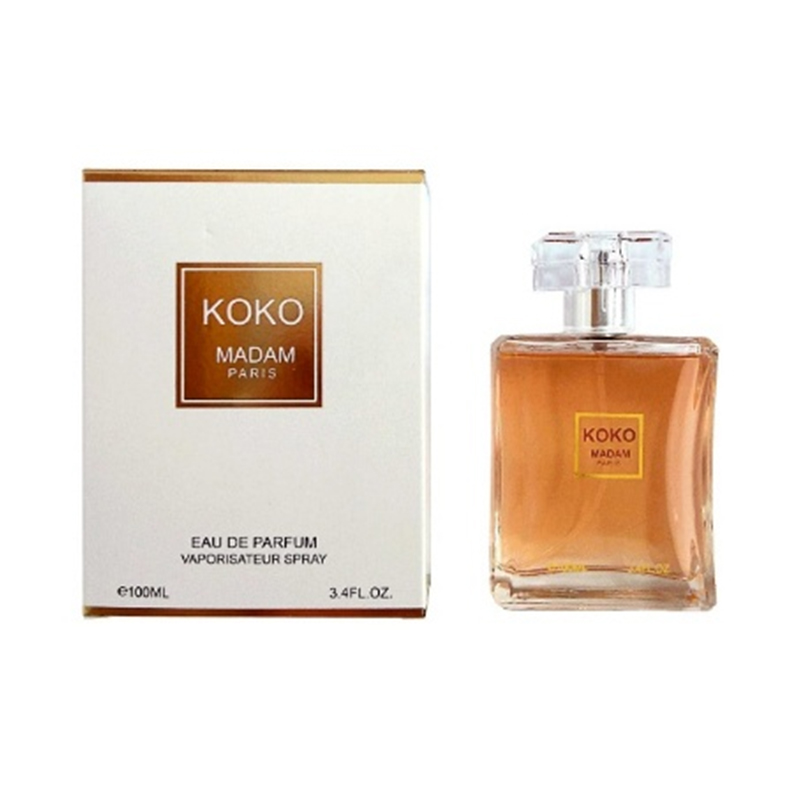
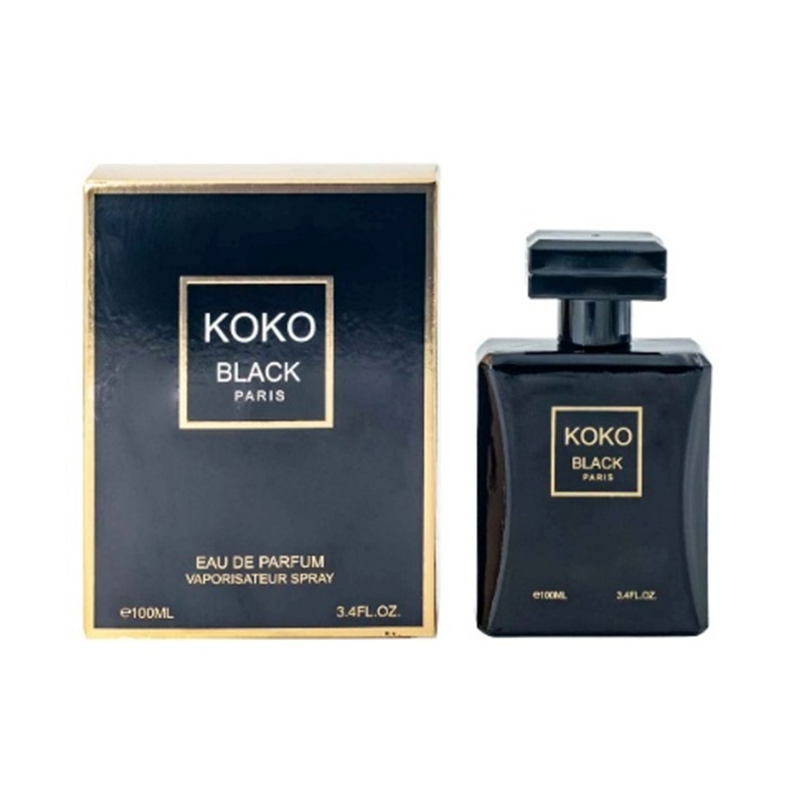
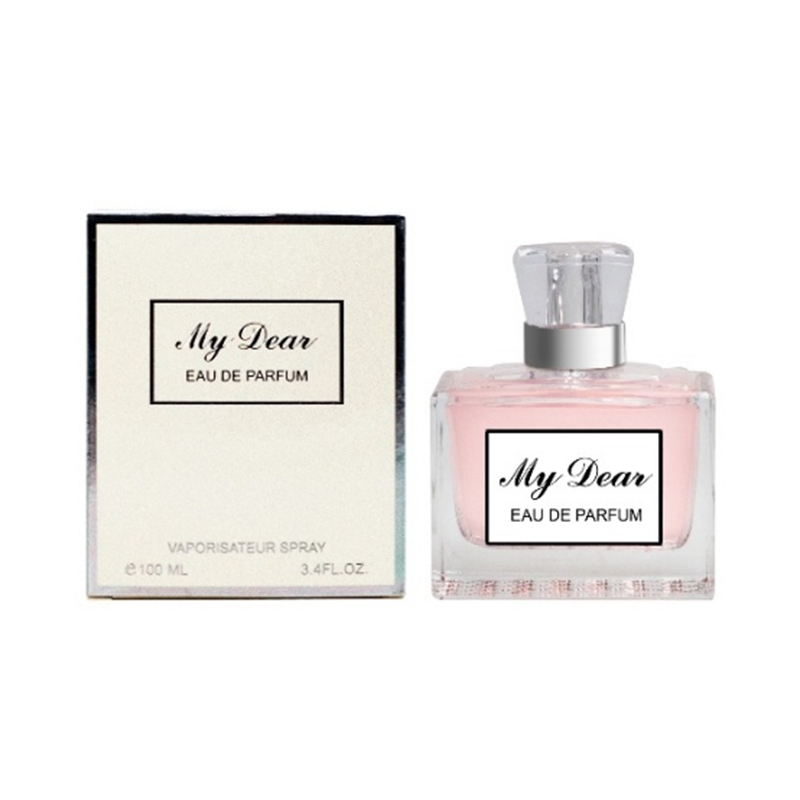
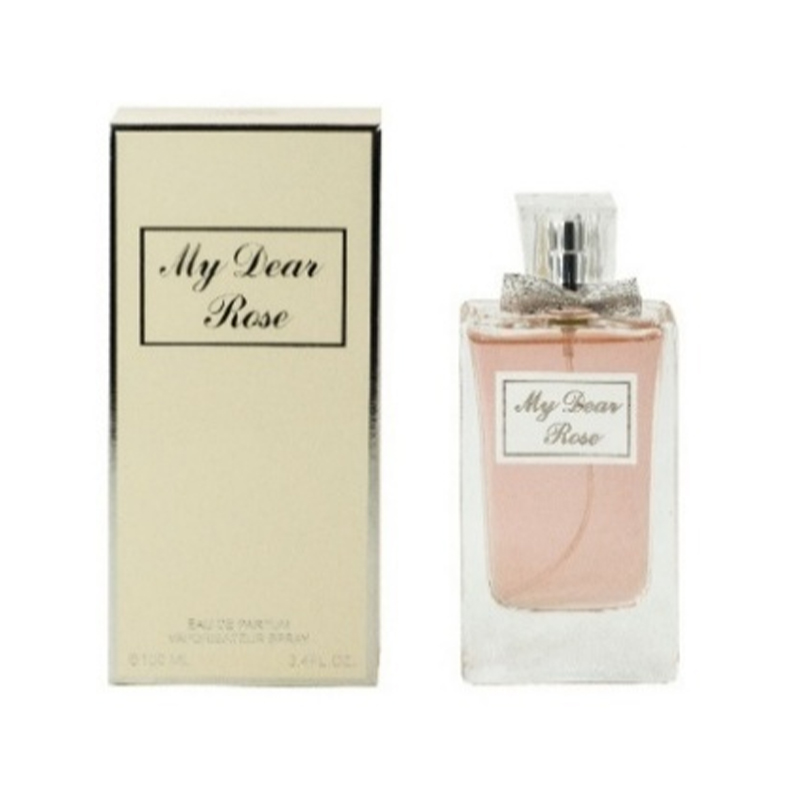
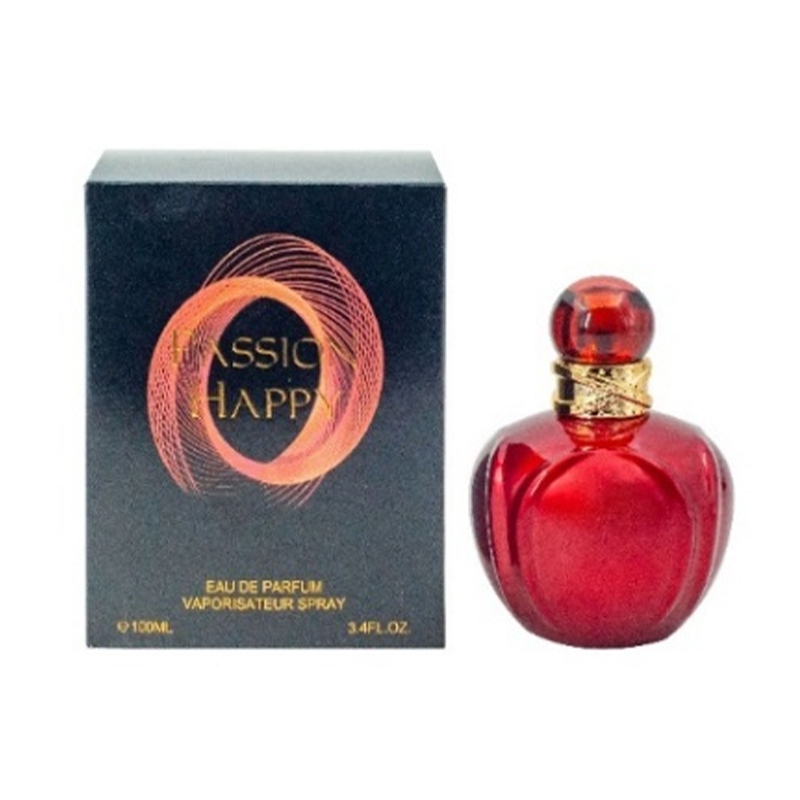
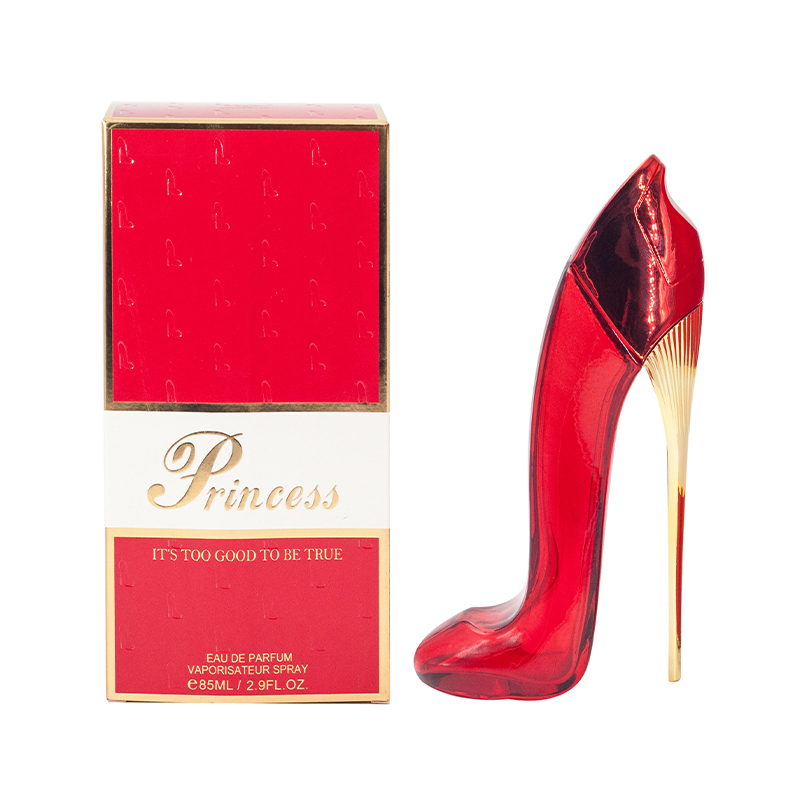
Private label clients frequently pair oriental perfume formulas with packaging that reinforces the "warm, rich" positioning — amber-toned glass, textured labels, sometimes wood or metal accents on caps. This isn't purely aesthetic. Retailers report that packaging cues help set customer expectations before the bottle is even opened, particularly for a scent family that's harder to describe than, say, a straightforward citrus or floral.
Buyers building out a new fragrance line sometimes request a small range within the oriental family rather than a single SKU — a lighter version for daytime positioning, a richer version marketed for evening wear. This lets retailers capture more shelf space under one thematic umbrella without duplicating formulas outright.
A Category Worth Understanding, Not Just Ordering
Oriental perfume rewards buyers who take time to understand its internal variety rather than treating it as one generic scent to check off a sourcing list. The difference between a spice-forward formula and a vanilla-heavy one can determine whether a product resonates with a target market or sits untouched on a shelf. For distributors working across multiple regions, that distinction is often the deciding factor in which formula gets reordered — and which one doesn't.