English
 русский
 Español
 عربى



Floral Perfume Composition Insights
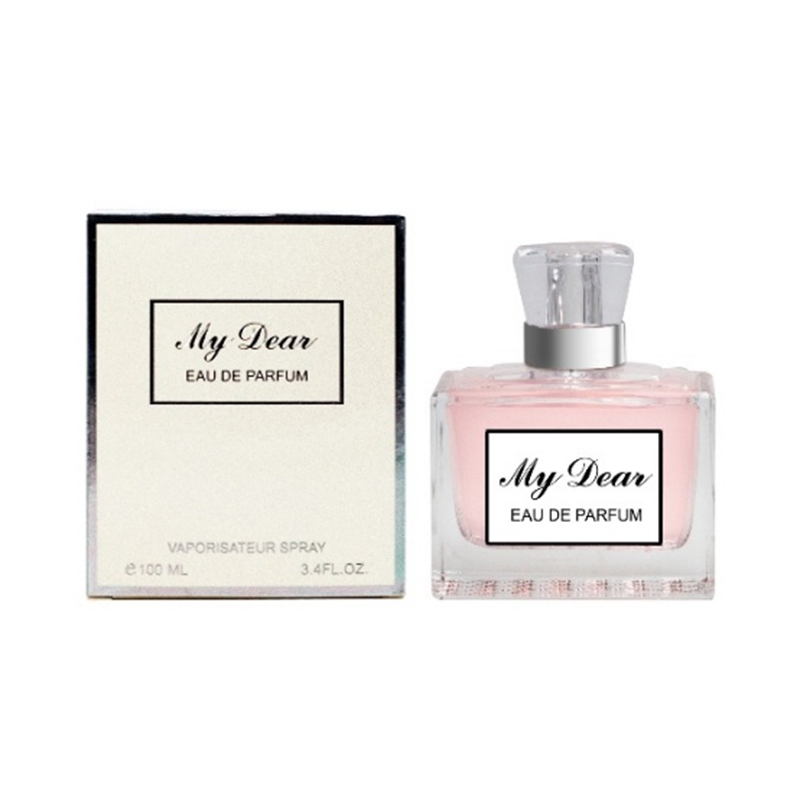
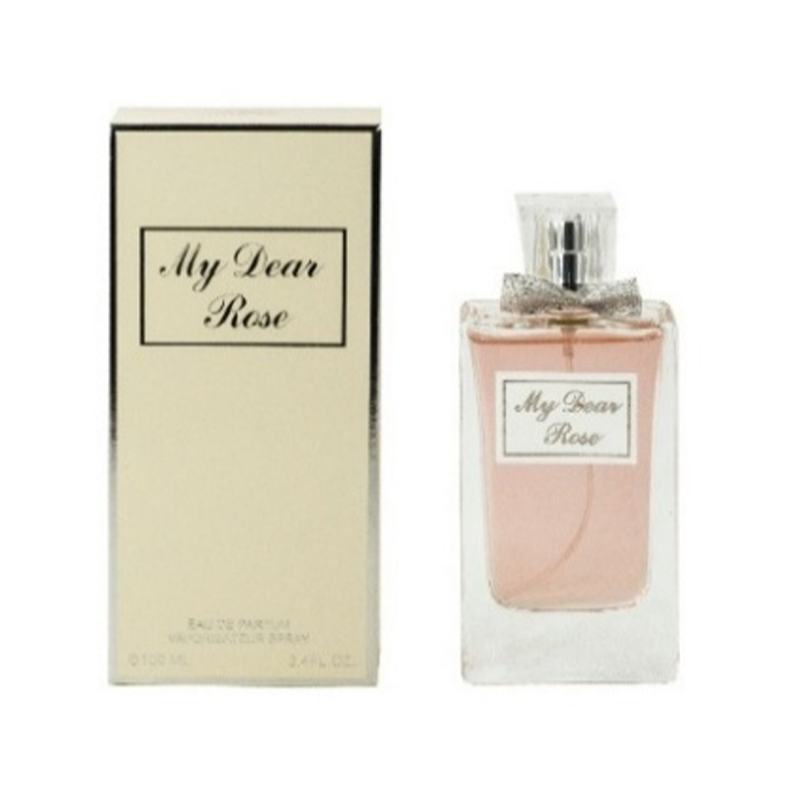
Floral perfume continues to hold a steady place in the fragrance world through its reliance on flower-derived notes that create recognizable and layered scents. The category draws from a wide range of botanical sources, allowing formulators to build profiles that feel both familiar and distinct. This approach keeps floral perfume relevant across different market segments without relying on temporary trends.
At its core, floral perfume centers on the extraction and combination of aromatic compounds from flowers. Common materials include rose, jasmine, and tuberose, each contributing unique facets such as sweetness, depth, or a slightly green edge. These elements are often blended with supporting notes to give the overall composition structure and longevity on the skin. The result is a fragrance that unfolds gradually rather than remaining static.
Building the Structure of Floral Perfume
Creating a balanced floral perfume involves careful layering. Top notes typically introduce lighter floral elements that appear first when the scent is applied. Middle notes form the heart and usually carry the primary floral character. Base notes provide foundation and help the composition last. This classic structure allows floral perfume to feel complete and intentional.
Formulators pay close attention to the proportions of each ingredient. Too heavy a concentration of one flower can overpower the blend, while too little may leave the profile feeling incomplete. The goal is harmony, where individual floral notes remain identifiable yet work together as a unified whole. This attention to balance is one reason floral perfume maintains consistent interest among fragrance professionals.
Sources and Techniques Behind Floral Perfume
Raw materials for floral perfume come from various growing regions known for specific flower varieties. Extraction methods range from traditional steam distillation to more modern techniques that capture delicate aromas without altering their character. Solvent extraction and enfleurage, though less common today, still influence certain high-quality productions.
The choice of method affects the final quality of the concentrate used in floral perfume. Each technique preserves different aspects of the original flower, giving creators a palette of options. Once extracted, these concentrates are diluted and combined according to precise formulas developed through extensive testing.
Balancing Familiarity and Distinction in Floral Perfume
One strength of floral perfume lies in its ability to feel approachable while still offering room for interpretation. A well-constructed floral perfume can evoke specific flowers clearly enough for recognition yet introduce subtle variations that prevent monotony. Supporting notes such as soft woods, light musks, or gentle spices often help achieve this balance.
The category also accommodates both single-flower focused creations and more complex bouquets. Single-note styles highlight the purity of one particular flower, while bouquet approaches combine several to create richer, multi-dimensional effects. Both directions remain active within current floral perfume development.
Floral Perfume in Professional Fragrance Work
Within the industry, floral perfume remains a foundational category for both creative and technical teams. It provides a reliable framework for exploring new combinations and refining existing ones. The ongoing study of floral materials and their interactions continues to inform broader fragrance knowledge.
By focusing on quality of materials, precision in blending, and clarity of structure, floral perfume maintains its position as a substantive and enduring segment of fragrance creation. Its combination of botanical roots and thoughtful composition ensures continued relevance for those working with scent on a professional level.