English
 русский
 Español
 عربى



How Fragrance Notes Create Different Scent Profiles
An Eau de Parfum (EDP) formula usually combines top, middle, and base notes. Each layer contributes to the overall fragrance experience and develops at a different stage after application.
- Top Notes: These are the first scents people notice. Citrus, bergamot, grapefruit, and pink pepper are common choices for creating a fresh opening.
- Middle Notes: Often called heart notes, this layer gives the fragrance its main character. Rose, jasmine, orchid, and other floral ingredients are frequently used.
- Base Notes: These provide depth as the fragrance develops. Musk, amber, cedarwood, patchouli, and woody accords are common components.
For example, a floral composition may combine bergamot and grapefruit at the opening, followed by jasmine and rose in the middle, with musk and cedarwood forming the base. A woody or oriental fragrance can use a different balance of ingredients to create a warmer character.
This layered structure gives manufacturers flexibility when developing Eau de Parfum (EDP) collections for different customer groups and retail channels.
From Formula Blending to Bottle Filling
The production process begins with fragrance formulation. Perfumers select aromatic materials according to the intended scent direction, then combine them in specific proportions. The formulation stage requires attention to how different ingredients work together, since a change in one component can influence the overall fragrance profile.
After blending, the fragrance mixture may need a resting period to allow its components to integrate. The liquid then moves through filtration and preparation before entering the filling stage. Bottles are filled according to the specified product volume, followed by pump installation, sealing, labeling, and packaging.
For Eau de Parfum (EDP), concentration management is an important part of production. The relationship between aromatic compounds and the carrier base determines the final formulation. Manufacturers therefore need to coordinate formula development and filling arrangements according to the product requirements.
Packaging Shapes the Product's Market Position
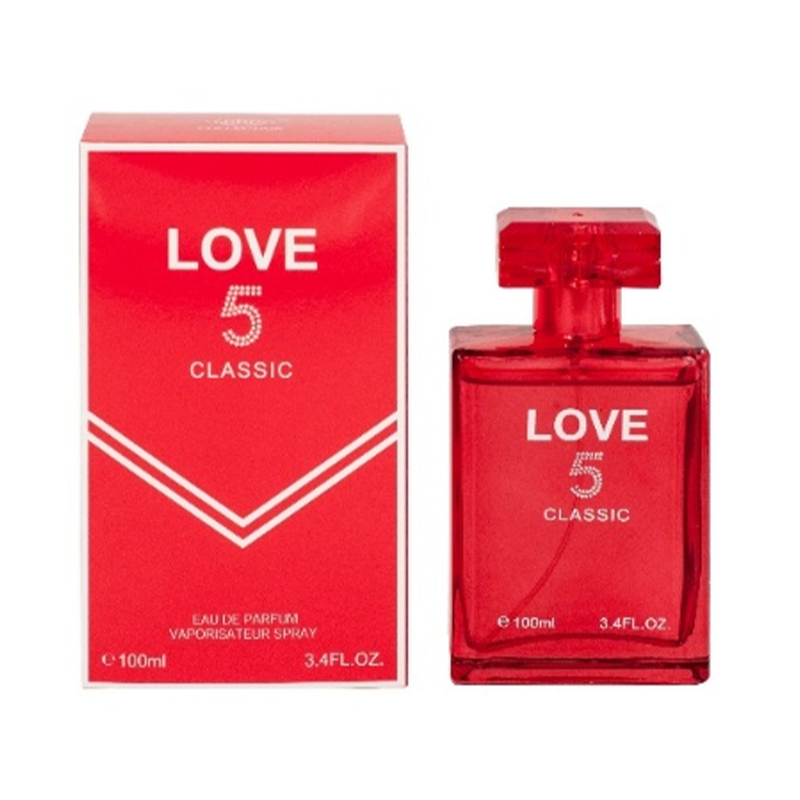
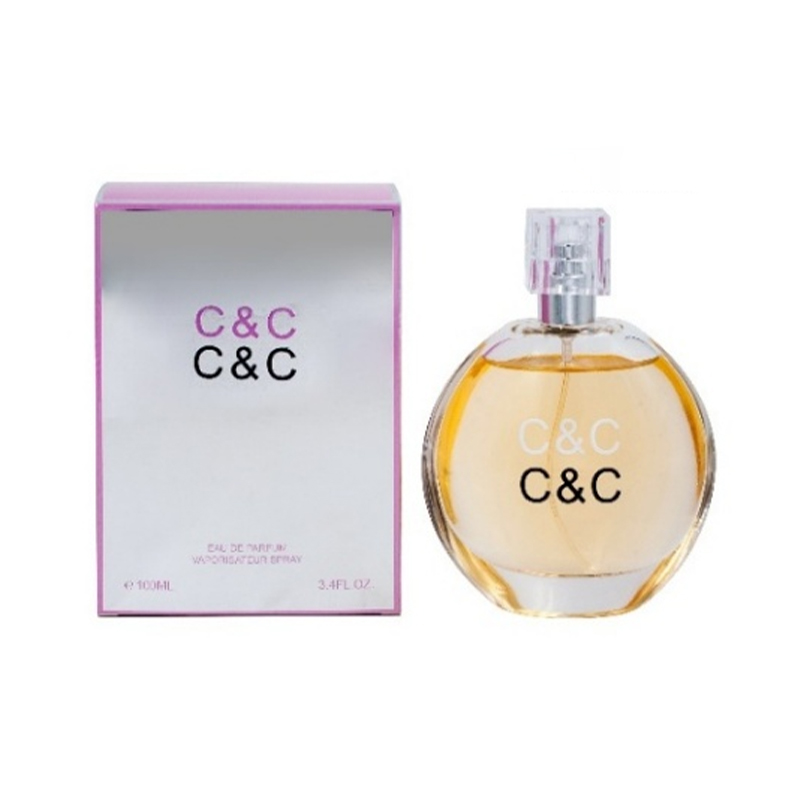
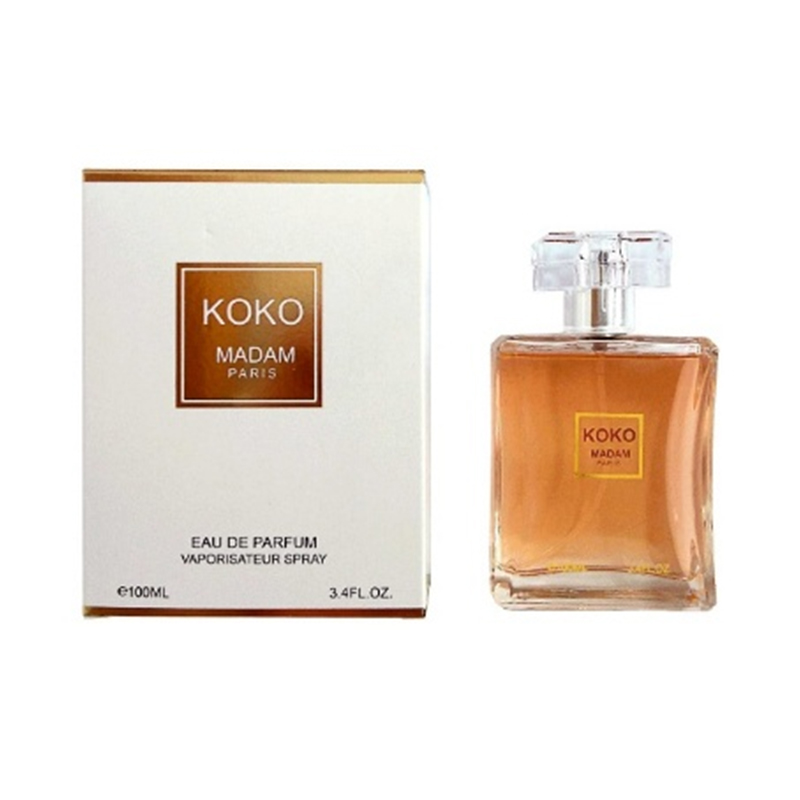
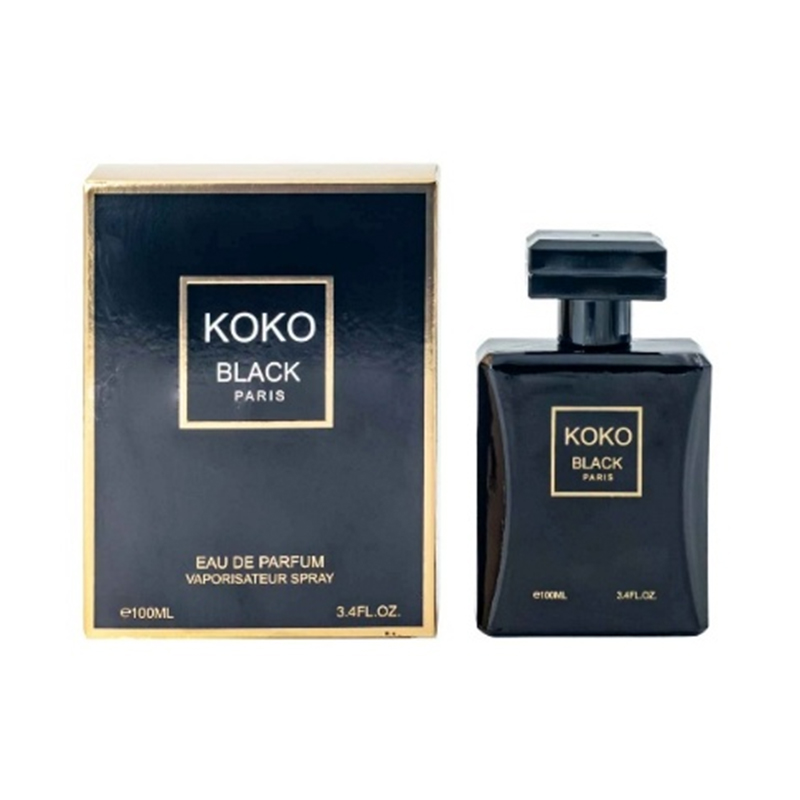
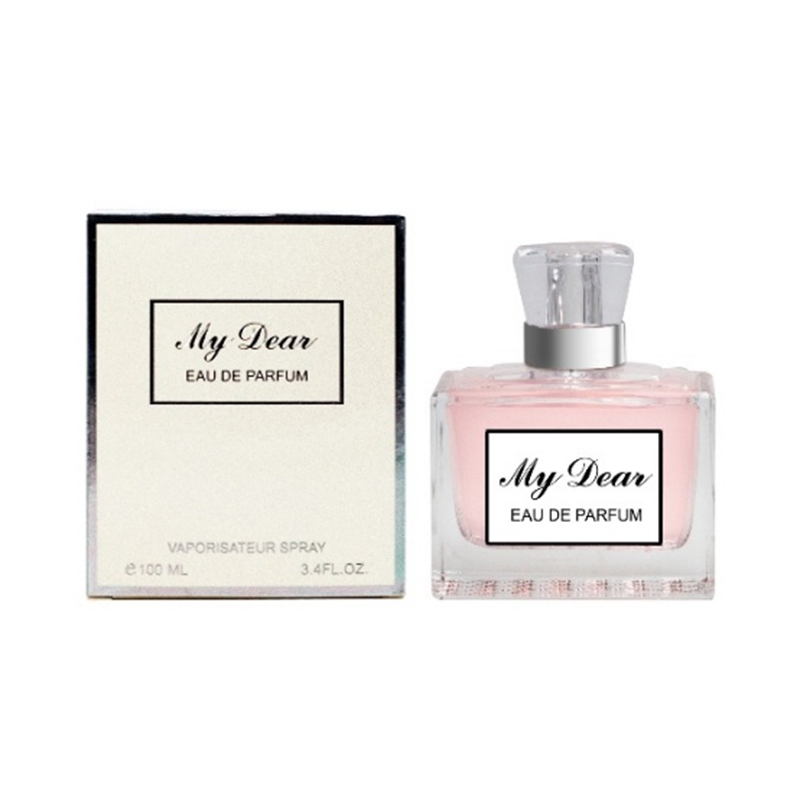
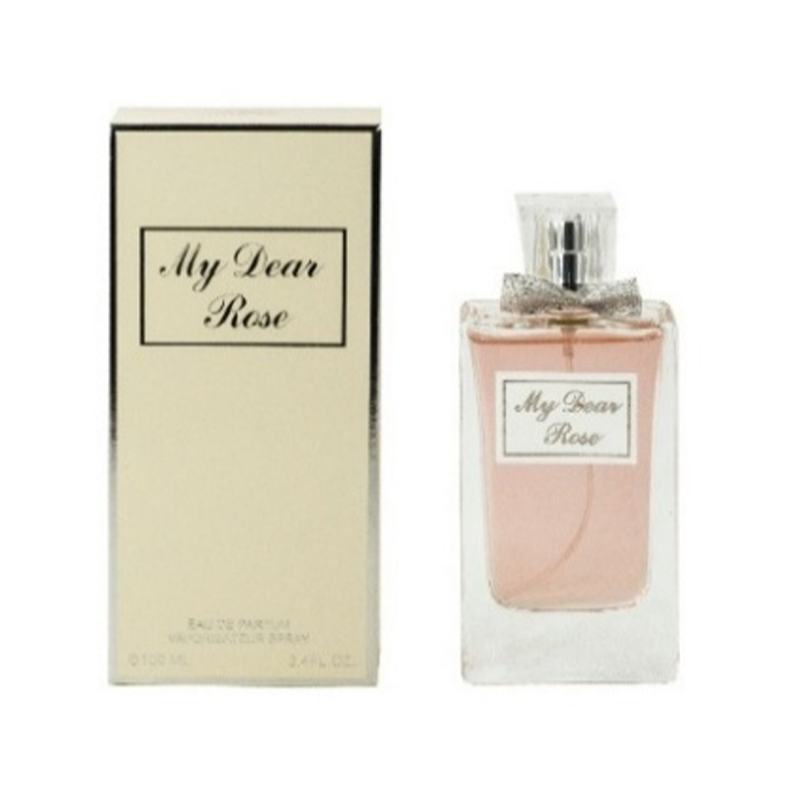
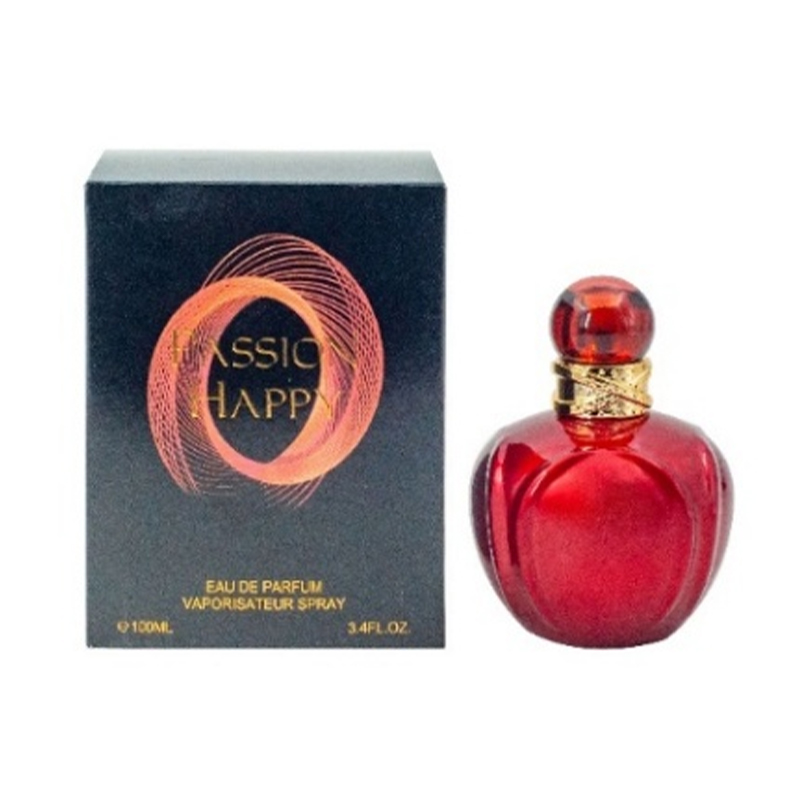
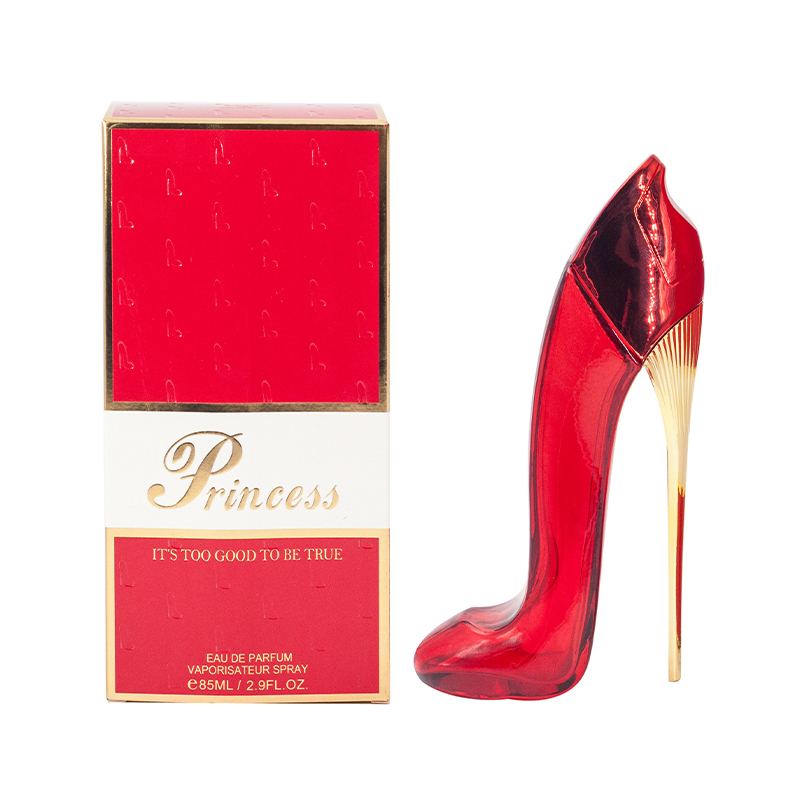
Bottle design plays an important role in how perfume products are presented to buyers and retail customers. Glass bottles, decorative caps, spray pumps, labels, and outer boxes all contribute to the overall product identity.
Different packaging styles can support different market positions. Simple bottle designs may suit everyday fragrance collections, while decorative packaging can be used for gift-oriented products or boutique perfume lines.
For private-label projects, buyers may request adjustments to bottle shapes, pump-head colors, label printing, and box designs. These details allow a fragrance collection to maintain a consistent visual identity across different product models.
Multiple Fragrance Directions for Different Markets
International perfume markets include a wide range of scent preferences. Floral fragrances often appeal to customers who prefer rose, jasmine, and soft botanical notes. Fresh citrus compositions offer a lighter scent direction, while woody and oriental combinations bring warmth and depth.
Some perfume collections also focus on regional fragrance preferences. For example, oriental compositions may incorporate oud, frankincense, myrrh, or saffron. These ingredients create distinctive scent profiles that can support specialized retail collections.
Manufacturers producing Eau de Parfum (EDP) can develop different fragrance directions within one product range, giving distributors and brand owners more flexibility when organizing their product portfolios.
Conclusion
Perfume manufacturing brings together fragrance composition, concentration control, filling processes, and packaging design. Understanding these elements helps overseas buyers communicate their requirements more clearly and develop product ranges suited to their sales channels. With flexible formulations and multiple scent directions, Eau de Parfum (EDP) remains a practical category for perfume brands seeking to build distinctive fragrance collections.